The Expert Take: AI Reshaping Gambling Workforce Dynamics
In our experience guiding engineers through industry upheavals, the sudden wave of AI-driven layoffs in the gambling sector is no surprise. We've seen firsthand how automation and machine learning shift not only technical landscapes but entire business models—often faster than most teams expect. For developers, this is a wake-up call: AI isn't just a research topic or a distant threat, but a force actively transforming job roles today. At Support Me Techs, our mission is to ensure you are on the right side of this transformation.
What Happened & Why It Matters
Recently, reports have surfaced that numerous workers in the gambling industry are being laid off and replaced by AI-driven systems. These are not just back-office roles but also customer-facing and operational positions, ranging from support staff to odds analysts. The adoption of advanced AI models—many leveraging frameworks like OpenAI's GPT or Google's Vertex AI—has enabled gambling companies to automate complex tasks such as real-time odds calculation, fraud detection, player behavior prediction, and even customer support.
This matters because the gambling sector has historically been a bellwether for rapid tech adoption, often piloting innovations before they spread to wider financial and entertainment industries. According to a recent Deloitte report, the global gambling market is expected to reach $565 billion by 2026, with digital technologies and AI playing a crucial role in that growth. The layoffs signal a broader shift: if your job can be modeled, predicted, or automated, it may soon be at risk—and new opportunities will arise for those who can design, deploy, and manage these AI systems.
The Technical Reality: What Engineers Need to Know
The rapid deployment of AI models in gambling is not just about replacing human labor with intelligent algorithms; it's about re-architecting entire workflows for efficiency, scale, and compliance. Most of these AI solutions are built on top of machine learning platforms such as TensorFlow 2.x, PyTorch 1.13+, or proprietary engines like IBM Watsonx. Natural language processing (NLP) models are being used for customer chatbots and support, while predictive analytics models identify betting patterns, optimize odds, and flag potentially fraudulent transactions in real-time.
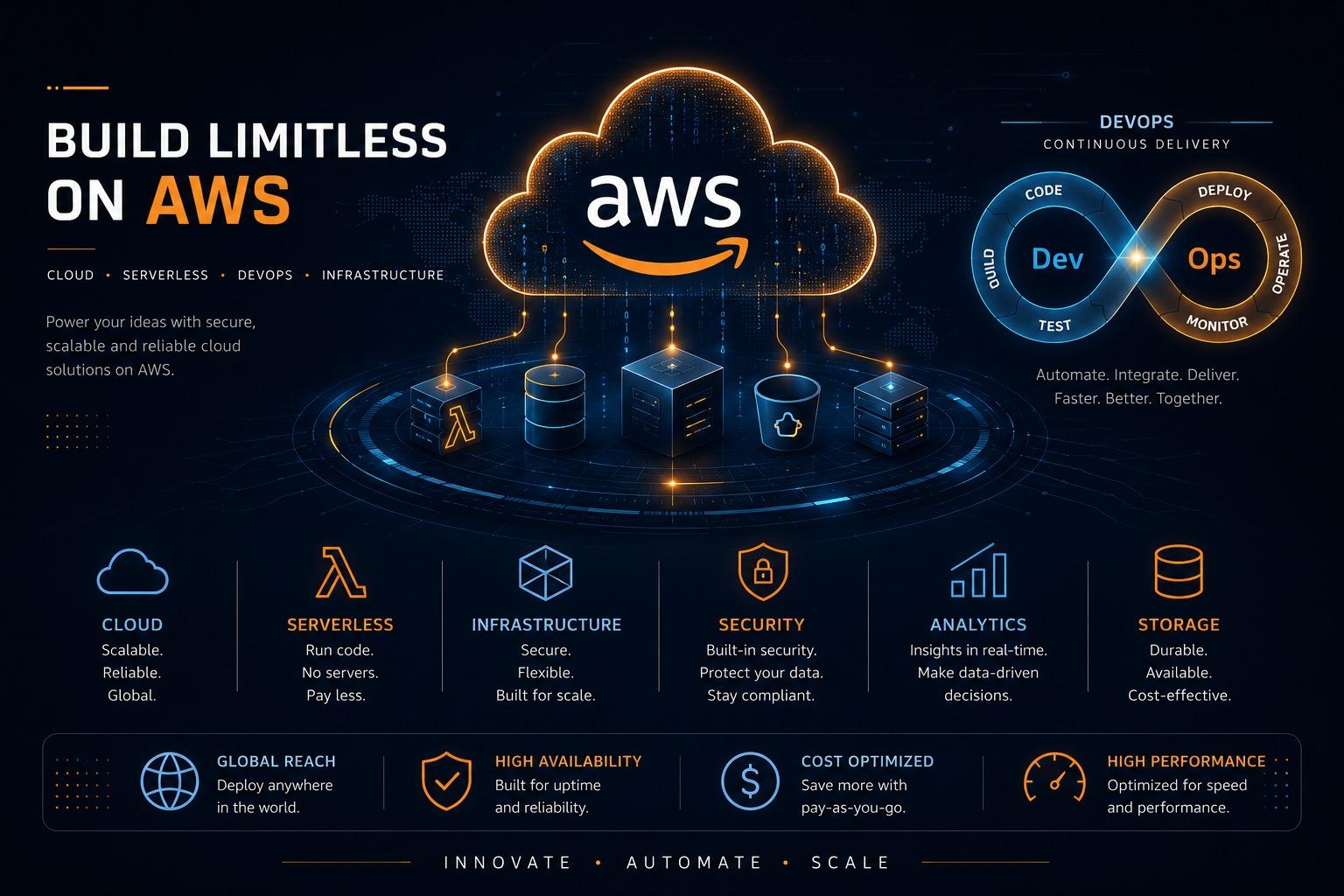
From an architectural perspective, many gambling companies are migrating core operations to cloud-native environments—think AWS SageMaker for model training and deployment, Azure ML for integration with enterprise data, and serverless execution with AWS Lambda or Google Cloud Functions. The move to microservices and containerization (using Docker and Kubernetes) means that AI components can be updated, scaled, or rolled back independently, minimizing downtime and risk.
Technically, the most common pattern we see is the deployment of AI models via RESTful APIs, enabling seamless integration into legacy betting platforms. For example:
// Example: Flask API for AI odds engine
from flask import Flask, request, jsonify
import joblib
model = joblib.load('odds_model.pkl')
app = Flask(__name__)
@app.route('/predict', methods=['POST'])
def predict():
data = request.get_json()
prediction = model.predict([data['features']])
return jsonify({'odds': prediction.tolist()})
if name == 'main':
app.run(port=8080)
The shift brings new challenges, too. AI interpretability and bias are critical—regulators (such as the UK Gambling Commission) increasingly demand transparent decision-making processes and explainable models. Engineers must also ensure robust data pipelines, as real-time predictions require up-to-the-second data from transactional databases, streaming platforms (like Apache Kafka), and third-party feeds.
Compared to traditional rule-based systems, modern AI models can learn from millions of data points and adapt to changing patterns, but they require ongoing monitoring and retraining (MLOps). Failure to do so can lead to model drift, inaccurate odds, or compliance violations—potentially risking millions in fines or lost revenue. Understanding the full lifecycle—data ingestion, feature engineering, model training, deployment, and monitoring—is now table stakes for software and data engineers in this space.
Why This Directly Impacts Your Tech Career
If you're a software engineer, data scientist, DevOps engineer, or cloud architect, the trend toward AI-driven automation in gambling is a cautionary tale and an opportunity. Roles focused on manual process management, static reporting, or repetitive data entry are rapidly disappearing—not just in gambling, but across any sector where AI can outperform or augment human decision-making.
The upside: demand is skyrocketing for professionals who can design, implement, and maintain these AI systems. Over the next 12-24 months, we expect a surge in job postings for machine learning engineers, MLOps specialists, and AI product managers, especially in highly regulated industries like fintech, healthtech, and insurance that are watching gambling as a test market. According to AI Jobs, median salaries for ML engineers in the US have already topped $140,000, with top-tier roles commanding $180,000+.
Industries most likely to hire these skills include online gaming, sports betting, financial services, and digital entertainment—sectors where real-time analytics and personalization drive revenue. But here's the key: the most valuable engineers won't just "know AI"—they'll be able to explain model decisions, ensure regulatory compliance, and deliver resilient, scalable systems. If you can demonstrate hands-on experience with cloud AI platforms, CI/CD for ML, and regulatory best practices for explainable AI, you will be in high demand—even as traditional roles shrink.
Skills You Should Build Right Now
- Applied Machine Learning
As gambling companies automate more roles, engineers who can build, deploy, and optimize ML models are in demand. Start with the Andrew Ng ML course, then practice with open-source sports betting datasets on Kaggle. - MLOps & Model Lifecycle Management
AI systems require robust pipelines for continuous integration, deployment, and monitoring. This news makes MLOps skills more valuable—begin with MLOps Community resources and experiment with tools like MLflow or Kubeflow on your own cloud account. - AI Ethics & Explainability
Regulatory scrutiny in gambling means you need to justify and audit model decisions. Build competency with tools like SHAP or LIME, and review real-world explainability case studies. - Cloud AI Services
Gambling platforms increasingly deploy models using managed services. Commit to a learning path such as AWS Certified Machine Learning – Specialty or Azure AI Engineer Associate certification. - API Development for AI Integration
Understanding how to expose AI models as scalable APIs is crucial. Take the Flask API crash course and deploy a demo ML service to AWS Lambda or Google Cloud Functions.
Interview Preparation: Questions to Expect
- "Explain how you would design a real-time odds prediction engine for an online betting platform. What data inputs and ML models would you use, and how would you ensure accuracy over time?"
Structure your answer around data ingestion, feature engineering, model selection (e.g., XGBoost, neural networks), and monitoring for drift. - "Describe a time you automated a workflow that previously required human intervention. What challenges did you face in deployment or user adoption?"
Highlight both technical and organizational aspects, including stakeholder buy-in and post-launch monitoring. - "How would you address regulatory requirements for explainable AI in a gambling context?"
Reference frameworks like SHAP/LIME, documentation practices, and how you would expose explanations via APIs or dashboards. - "What strategies would you use to prevent bias in models that impact betting outcomes or customer support?"
Discuss data auditing, balanced sampling, fairness metrics, and ongoing validation against real-world outcomes.
Support Me Techs Perspective
At Support Me Techs, we've walked this path with developers transitioning from legacy roles to AI-first organizations. Our hands-on approach—live projects, code reviews, and real MLOps challenges—prepares you for exactly the kind of disruptions now hitting the gambling industry. We've witnessed alumni go from backend engineers to MLOps leads in under a year by mastering not just "how to build a model", but how to deploy, monitor, and audit it in production. Our advice: don't wait for disruption to reach your sector. Get proactive—because the skills you invest in today will determine where you stand as AI redefines the workforce.
3 Things You Can Do This Week
- Sign up for a free trial on Google Vertex AI or AWS SageMaker, and deploy a simple ML model end-to-end.
- Read the UK Gambling Commission's guidelines on AI and automation to understand real regulatory requirements.
- Build and expose a toy ML model as a REST API using Flask or FastAPI—share your code on GitHub and invite peer feedback.
Frequently Asked Questions
How is AI being used to replace jobs in gambling?
AI is increasingly automating roles that involve data analysis, customer service, and risk management in the gambling sector. For example, machine learning models predict betting odds, detect fraud, and optimize customer interactions in real time—tasks that previously required large teams of specialists. As AI models become more accurate and scalable, companies are reducing headcount in these areas and reallocating resources toward AI product development and oversight.
What technical skills will protect my career from AI-driven layoffs?
To stay relevant, focus on skills that enable you to build, deploy, and monitor AI systems: applied machine learning, MLOps, cloud AI services, API development, and AI ethics/explainability. These skills are in high demand across industries embracing automation, and they empower you to work on the systems driving change, rather than being displaced by them. Continuous learning and hands-on project experience are key.
Is the gambling sector a leading indicator for AI adoption in other industries?
Yes, the gambling sector often pilots advanced technologies—such as real-time analytics, AI-driven personalization, and high-frequency automation—before they spread to sectors like fintech, insurance, and entertainment. Monitoring how AI reshapes gambling provides valuable insight into potential shifts in other industries. Engineers who learn from these early adopters can anticipate changes and position themselves for emerging opportunities elsewhere.
Want to read more?
This is a summary of the article. You can read the full story on the original publisher's website.
Read Full Article