
NASA's Artemis II: A New Perspective on Our Home Planet
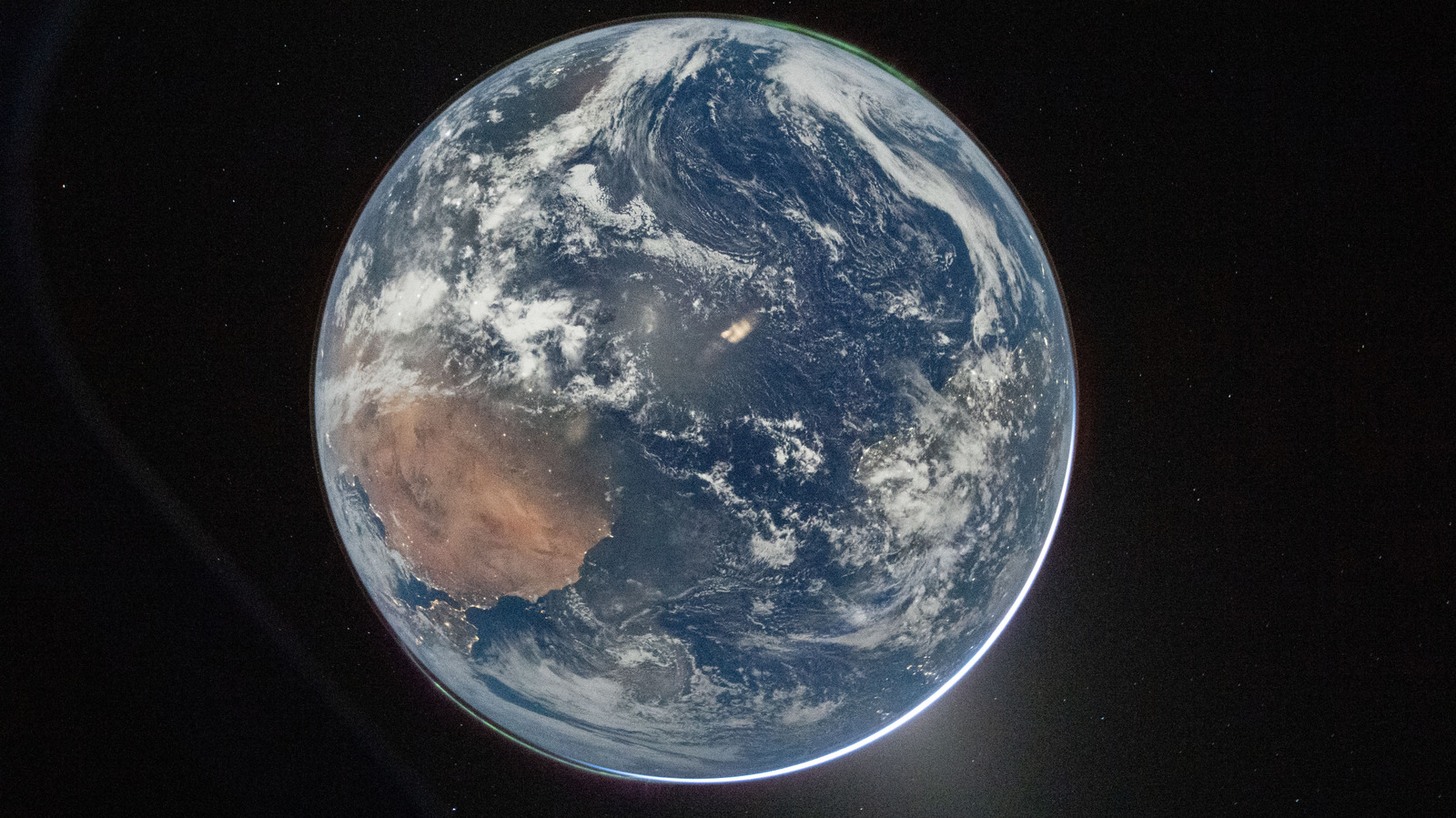
Recently, the world was treated to dazzling new photographs of Earth, thanks to NASA's Artemis II mission crew. These images, taken from the vast expanse of space, offer a unique vantage point of our planet that most people will only experience through their screens. But beyond their beauty, these photographs represent the cutting edge of space technology and the critical role of imaging in space exploration.
The Story Behind the Photos
The Artemis II mission marks a pivotal moment in NASA’s ambitions to return humans to the Moon and eventually explore even further. As the first crewed mission in the Artemis program, the astronauts aboard Artemis II are not just exploring—they are also documenting their journey and sharing it with the world. The photos they have sent back are not only visually stunning but are also packed with scientific value, helping researchers study Earth’s atmosphere, weather patterns, and more from a unique orbital perspective.
How Space Photography Powers Exploration
Taking pictures in space is far more complex than snapping a photo with your smartphone. Space cameras must withstand intense radiation, extreme temperatures, and the vacuum of space. NASA engineers have spent years developing resilient imaging equipment capable of delivering crisp, high-resolution shots from thousands of kilometers away. These images are critical for:
- Earth observation: Monitoring climate change, natural disasters, and environmental shifts.
- Navigation: Helping astronauts orient themselves and plan missions.
- Science communication: Inspiring the public and educating future generations of scientists and engineers.
Why These Images Matter for Tech Learners
For those learning about technology, the Artemis II photos are more than just beautiful pictures—they are a testament to the intersection of hardware, software, and creativity. Here’s how:
- Camera Technology: Learn about sensor types, image processing, and the challenges of remote operation.
- Data Transmission: Discover how large image files are sent securely and quickly across vast distances with minimal loss.
- Software Engineering: Explore the algorithms used to enhance, correct, and analyze images captured in harsh environments.
What This Means for Beginners in Space Tech
If you’re just starting to study space technology or photography, Artemis II’s success is an exciting case study. It shows how foundational skills—like coding, electronics, and problem-solving—can lead to real-world applications with global impact. It also highlights the importance of collaboration: engineers, software developers, scientists, and astronauts work together to achieve these remarkable feats.
How You Can Start Learning Space Imaging Skills
- Begin with Basics: Study digital photography and image processing fundamentals. Online courses and tutorials can help.
- Explore Open Data: NASA regularly shares mission data and images. Analyze these using free tools like Python or MATLAB.
- Join a Community: Participate in coding challenges or join forums focused on space technology and satellite imaging.
Practical Takeaways
- The Artemis II crew’s photos showcase the vital role of technology in space missions.
- Learning about imaging, data transmission, and software can lead to exciting careers in space technology.
- Start building your space tech skills now by exploring open-source resources and joining tech communities.
Want to read more?
This is a summary of the article. You can read the full story on the original publisher's website.
Read Full Article