The Expert Take: EVE Frontier Event Reshapes Gameplay Dynamics
In our experience training engineers for careers in game development—especially at studios working on massive multiplayer titles like EVE Frontier—we’ve seen how live, server-wide events can fundamentally shift both player behavior and system architecture. Feral Surge isn’t just another in-game challenge; it’s a real-world exercise in event-driven design, distributed systems, and community-scale engagement. Having mentored teams through launches at AAA studios and emerging indies, we know that these moments are the true test of a platform’s scalability, content pipeline, and networked AI. This is an opportunity for developers and tech learners to dissect how ambitious online events are built, maintained, and evolved.
What Happened & Why It Matters
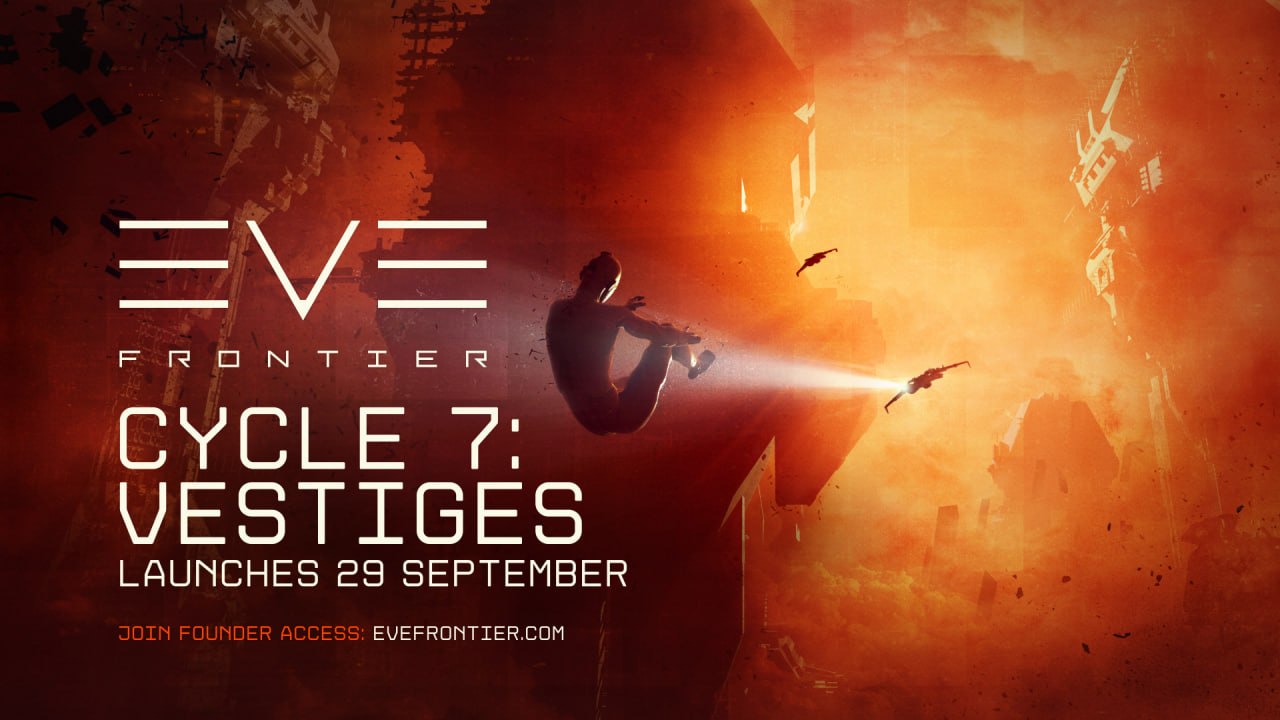
On October 20, EVE Frontier launches Feral Surge, a one-week, server-wide event where every player kill contributes to a single, shared community goal. Unlike many MMOs that silo achievements or quests to individuals or small groups, Feral Surge leverages the collective effort of its entire active playerbase, tying progression to a global kill count. The event sits at the midpoint of Cycle 7: Vestiges, which rolled out on September 29 and notably revamped the game’s Feral Drones to operate with player-like autonomy. According to the developer, Fenris Creations, these Drones now scan, mine, salvage, and react dynamically to nearby player actions—an AI advancement that opens new gameplay and technical challenges.
This isn’t just a fun diversion. Large-scale events like Feral Surge stress-test every aspect of an MMO, from backend server scaling ("Help us break the servers!" as the event tagline teases) to rewards systems and even the game’s economy. Recent events in the EVE ecosystem have drawn hundreds of thousands of concurrent actions (reference: EVE Online’s historic battles). The implications for developers are huge: you’re not just building content, you’re orchestrating a living, evolving system that must handle massive, coordinated player activity.
The Technical Reality: What Engineers Need to Know
Let’s break down the technical layers underpinning Feral Surge and why they matter for developers:
- Global Kill Count Tracking: At first glance, aggregating "every kill" server-wide sounds straightforward. In reality, it demands robust, distributed event logging and aggregation, likely leveraging an event-driven architecture using technologies such as Apache Kafka or AWS Kinesis for real-time data streaming. Each player action (e.g., a Feral Drone kill) must be reliably logged, de-duplicated, and counted—across potentially thousands of concurrent clients and servers.
- Event-Driven Reward Systems: The introduction of "Grace" as a reward currency means implementing a dynamic, rules-driven reward engine. This requires scalable state management—possibly using Redis or DynamoDB—to track each player’s contributions and payouts while preventing exploits (e.g., kill farming or botting). The system also needs hooks into mission completion, wreckage searches, and other event-related activities.
- AI Overhaul: Feral Drones: With Cycle 7, Feral Drones now mirror player behaviors, handling tasks like mining, salvaging, and threat assessment. This likely involved implementing behavior tree AI or utility-based systems, similar to those described in the Behavior3 open source project. The drones must operate asynchronously, react to environmental stimuli, and coordinate with each other in real-time. Such AI logic needs to be both performant and secure (to prevent manipulation).
- Flight & Physics Engine Updates: Ships now support strafing, rolling, and Aim Flight mode—meaning the input and physics systems were updated, possibly drawing from ECS (Entity Component System) frameworks. This affects not only user experience but also server reconciliation, anti-cheat logic, and network packet design. For example, decoupling aiming from movement may require new protocol messages and client prediction models ().
struct AimPacket { float yaw; float pitch; float roll; uint32 timestamp; }; - Physical Docking and Persistent World State: Physical docking means ships attach to structures and remain visible in the world, requiring persistent state management and potentially more granular spatial partitioning (e.g., using quadtrees or octrees for region visibility). This also impacts asset streaming and network culling logic—only transmitting updates about docked ships to clients within range.
- Server Scalability and Resilience: The "break the server" challenge is more than bravado. It’s a live test of horizontal scaling, failover, and sharding strategies. Modern MMOs typically employ microservices, container orchestration (Kubernetes), and cloud autoscaling. Resilience patterns such as circuit breakers and bulkheads (see Martin Fowler’s circuit breaker pattern) are essential to prevent cascading failures during player spikes.
Compared to static or instanced MMO events, Feral Surge’s design pushes closer toward emergent, player-driven narratives. This approach increases complexity but enables richer, more engaging player experiences. For engineers, it’s a chance to see best practices in distributed systems, live service operations, and AI in action—all in a real-world, production environment.
Why This Directly Impacts Your Tech Career
From a career mentor’s view, events like Feral Surge highlight the growing demand for engineers skilled in large-scale, event-driven architectures, real-time data analytics, and AI behavior systems. If you’re aiming for roles such as Backend Game Engineer, Systems Programmer, or Live Operations Specialist, these are the technical challenges you’ll face. Studios now expect you to understand both gameplay logic and the infrastructure that supports millions of simultaneous actions.
Over the next 12-24 months, we anticipate increased hiring for roles combining cloud infrastructure, AI/ML, and networked gameplay expertise—especially as more games shift towards persistent, live-operated worlds. Sectors like interactive entertainment (game studios, VR/AR startups), fintech (real-time trading platforms), and healthtech (telemedicine with synchronous user activity) all draw on these same distributed system patterns. According to Glassdoor, median salaries for backend or systems engineers in gaming range from $110,000 to $165,000 in North America, with senior technical architects commanding even more—especially if you’ve shipped a major live event or handled large-scale outages.
Finally, don’t overlook the soft skills: cross-team communication, incident response, and player support are as critical as coding. Studios value engineers who can troubleshoot under pressure and iterate based on live player feedback—skills you can only build by working hands-on with real-time, evolving systems like EVE Frontier.
Skills You Should Build Right Now
- Distributed Event Tracking: Feral Surge’s server-wide kill goal relies on aggregating real-time player actions. Learn to implement event sourcing and streaming with platforms like Apache Kafka or AWS Kinesis. Start by completing the “Introduction to Event-Driven Architecture” course on AWS Skill Builder or Kafka’s official tutorials.
- AI Behavior Trees and Utility Systems: With Drones now acting autonomously, understanding AI architecture is crucial. Study behavior trees using resources like the open-source Behavior3 or Unity’s AI planner, then build a simple AI agent that reacts to player input in a sandbox project.
- Cloud-Based Game Backend Engineering: Server scalability is at the heart of Feral Surge. Follow the “Game Backend on AWS” learning path or set up a basic multiplayer lobby using PlayFab or Microsoft Azure PlayFab.
- Real-Time Data Analytics: Measuring community progress and distributing rewards requires fast data pipelines. Take a hands-on lab with Google BigQuery or Amazon Redshift to process and visualize event data streams.
- Network Protocols and Security: Handling new flight mechanics and persistent docking means secure, efficient protocol design. Read through the authoritative “Game Networking Fundamentals” on GafferOnGames, then implement basic encryption and anti-cheat checks in a test project.
Interview Preparation: Questions to Expect
- How would you design a system to aggregate millions of player actions in real-time for a global event?
Explain your familiarity with event-driven architectures, distributed logging, and state consistency mechanisms. Reference technologies like Kafka, Kinesis, or custom sharded databases. - Describe how you would implement autonomous enemy behavior that reacts to player proximity and actions.
Discuss AI patterns (behavior trees, utility systems), event handling, and synchronization between server and client. Mention how you’d balance performance and realism. - Tell us about a time you helped troubleshoot or scale a live multiplayer event or system under heavy load.
Share details about load testing, incident response, and how you communicated with stakeholders. Focus on technical and soft skills. - What strategies would you use to prevent exploitation (e.g., botting, kill farming) in a live MMO event?
Show your understanding of anti-cheat, anomaly detection, and reward validation. Mention security best practices and monitoring tools.
Support Me Techs Perspective
At Support Me Techs, we emphasize hands-on, scenario-driven learning because we’ve seen firsthand how theory alone can’t prepare you for the chaos and excitement of live game operations. Our alumni who now work at major studios consistently tell us that understanding event-driven systems, AI integration, and cloud infrastructure gives them an edge—especially during high-profile events like Feral Surge. We build our labs and mentorship around real-world game events for this exact reason. If you’re aiming to stand out in technical interviews or live operations roles, immerse yourself in these challenges—not just in code, but in system design and player experience thinking.
3 Things You Can Do This Week
- Spin up a local instance of an open-source event streaming tool (e.g., Apache Kafka Quickstart) and simulate logging player actions in real time.
- Build a simple AI agent using behavior trees—start with a Unity or Godot tutorial and make the agent respond to player proximity and resource nodes.
- Read the official AWS Game Tech documentation to understand how cloud services support scalable, persistent game worlds.
Frequently Asked Questions
How does a server-wide goal in EVE Frontier differ from traditional MMO events?
Unlike conventional MMO events that focus on individual or small-group achievements, EVE Frontier’s server-wide goal aggregates every player’s actions toward a single, massive target. This design encourages community collaboration and requires advanced backend systems to manage and synchronize real-time progress. For developers, it means dealing with high concurrency, data consistency, and the challenge of keeping all participants informed and rewarded fairly.
What technologies power large-scale real-time events like Feral Surge?
Major MMOs rely on distributed event streaming platforms (such as Apache Kafka or AWS Kinesis), scalable databases (like Redis or DynamoDB), and cloud orchestration tools (like Kubernetes) to handle the volume and velocity of player actions. AI modules may use behavior trees for NPCs, and real-time analytics engines (e.g., BigQuery, Redshift) track community progress. Understanding these technologies is essential for backend or live operations engineers in modern gaming.
How can aspiring game developers practice skills relevant to events like Feral Surge?
Start by building a small-scale multiplayer project that tracks and aggregates player actions using open-source tools like Node.js with Socket.io or even Python with Flask and Redis. Experiment with AI agents using basic behavior trees in Unity or Godot. Finally, participate in game jams or hackathons—like the $80,000 EVE Frontier hackathon—to gain practical experience in event-driven design and rapid iteration under pressure.
Want to read more?
This is a summary of the article. You can read the full story on the original publisher's website.
Read Full Article