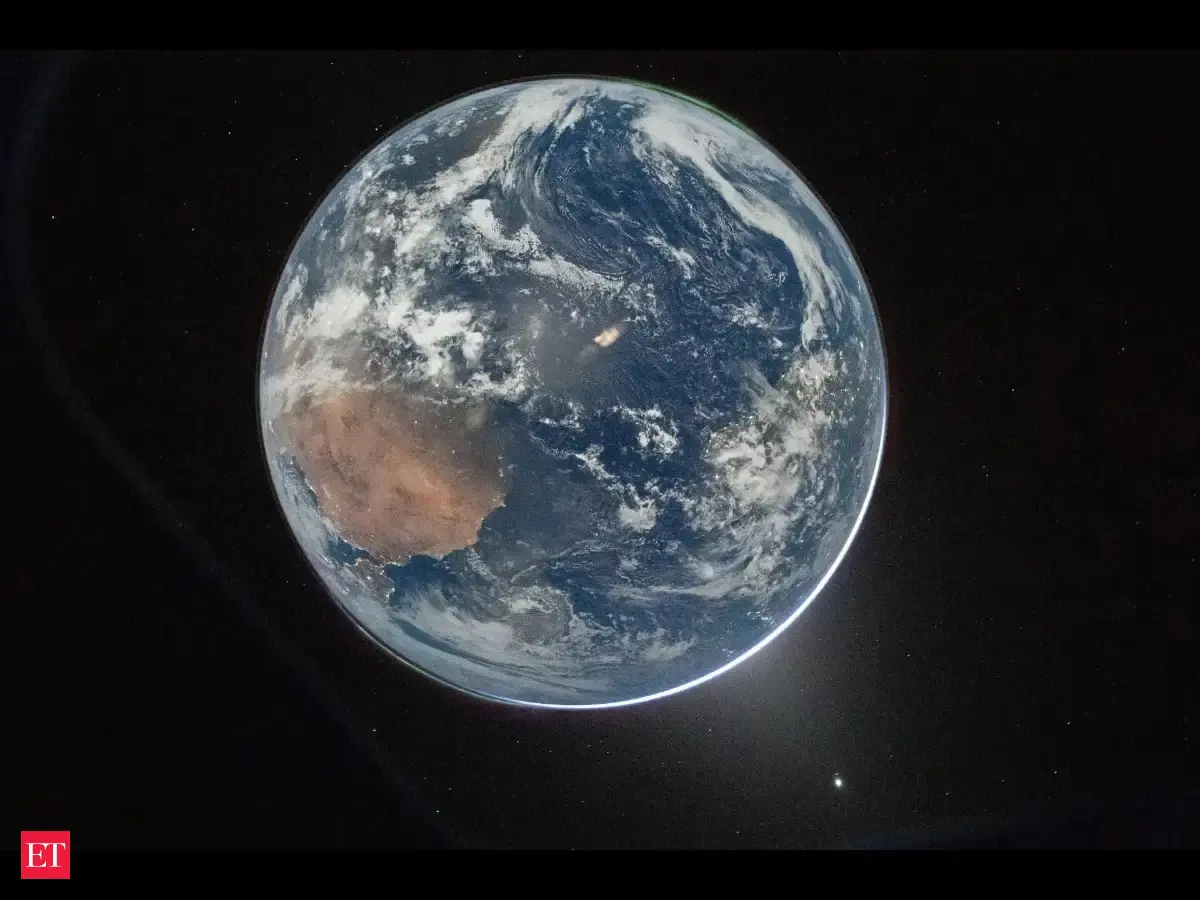

NASA’s Artemis II Mission: A New Perspective on Earth and the Moon
The Artemis II mission has sent astronauts hurtling toward the moon, but before reaching their destination, they’ve shared breathtaking photos of Earth from the Orion spacecraft. These images offer not only a fresh view of our planet but also a chance for tech learners to dive into the innovative technologies that make such missions possible.
Behind the Scenes: How Technology Enables Stunning Space Photography
Capturing clear, high-resolution images from space is far from simple. The Orion spacecraft is equipped with advanced camera systems and communication technologies, letting astronauts snap and transmit photos back to Earth. These tools must withstand extreme temperatures, radiation, and rapid movement—all while keeping the crew safe and focused on mission objectives.
For the Artemis II mission, sharing images isn’t just about aesthetics. It’s a test of the spacecraft’s connectivity and data transmission systems, critical for future lunar exploration. Every photo sent home proves that these systems work reliably, ensuring that future astronauts can document their journeys and communicate with mission control.
The Artemis II Journey: More Than Just a Trip Around the Moon
This mission is a crucial step for NASA as it prepares for sustained lunar exploration. The Artemis II crew will circle the moon, venturing further than any previous human mission. Along the way, they’ll break distance records and gather data to help refine equipment and procedures for landing on the lunar surface.
Key objectives include:
- Testing life-support systems and navigation technologies.
- Assessing astronaut health and performance during extended space travel.
- Ensuring safe re-entry and ocean landing procedures.
What This Means for Beginners in Space Tech
If you’re new to space technology, Artemis II is a fantastic case study. It demonstrates how engineering, physics, and computer science come together to solve real-world challenges. By analyzing the mission’s successes and hurdles, you can understand the importance of systems integration, redundancy, and safety protocols in engineering design.
To get started in space tech, consider learning about:
- Satellite and spacecraft communication systems.
- Image processing and remote sensing technologies.
- Human factors engineering (designing equipment for astronaut safety and usability).
How to Learn Space Technology Skills
Want to dive deeper? Here’s a roadmap for tech learners:
- Explore online courses: Platforms like Coursera and edX offer beginner-friendly classes in aerospace engineering, robotics, and space science.
- Join space-focused communities: Participate in forums, attend webinars, and follow NASA’s official channels for updates and educational resources.
- Experiment with projects: Try building your own remote sensing devices or programming simple image processing scripts. Even small projects can teach valuable concepts!
Looking Ahead: The Impact of Artemis II
The Artemis II mission is about much more than reaching new lunar frontiers. It’s a showcase of what’s possible when science, technology, and human curiosity come together. For learners, it’s an invitation to explore the field of space technology and consider how their skills could help shape future missions—whether through coding, engineering, or creative problem-solving.
Three Practical Takeaways
- Space missions like Artemis II rely on robust, redundant systems that tech learners can study to improve their own engineering projects.
- Understanding how spacecraft communicate and transmit images is a valuable skill, applicable to careers in aerospace, telecommunications, and data science.
- Beginner-friendly resources and communities are abundant; start your journey by exploring the basics and connecting with experts in the field.
Want to read more?
This is a summary of the article. You can read the full story on the original publisher's website.
Read Full Article


