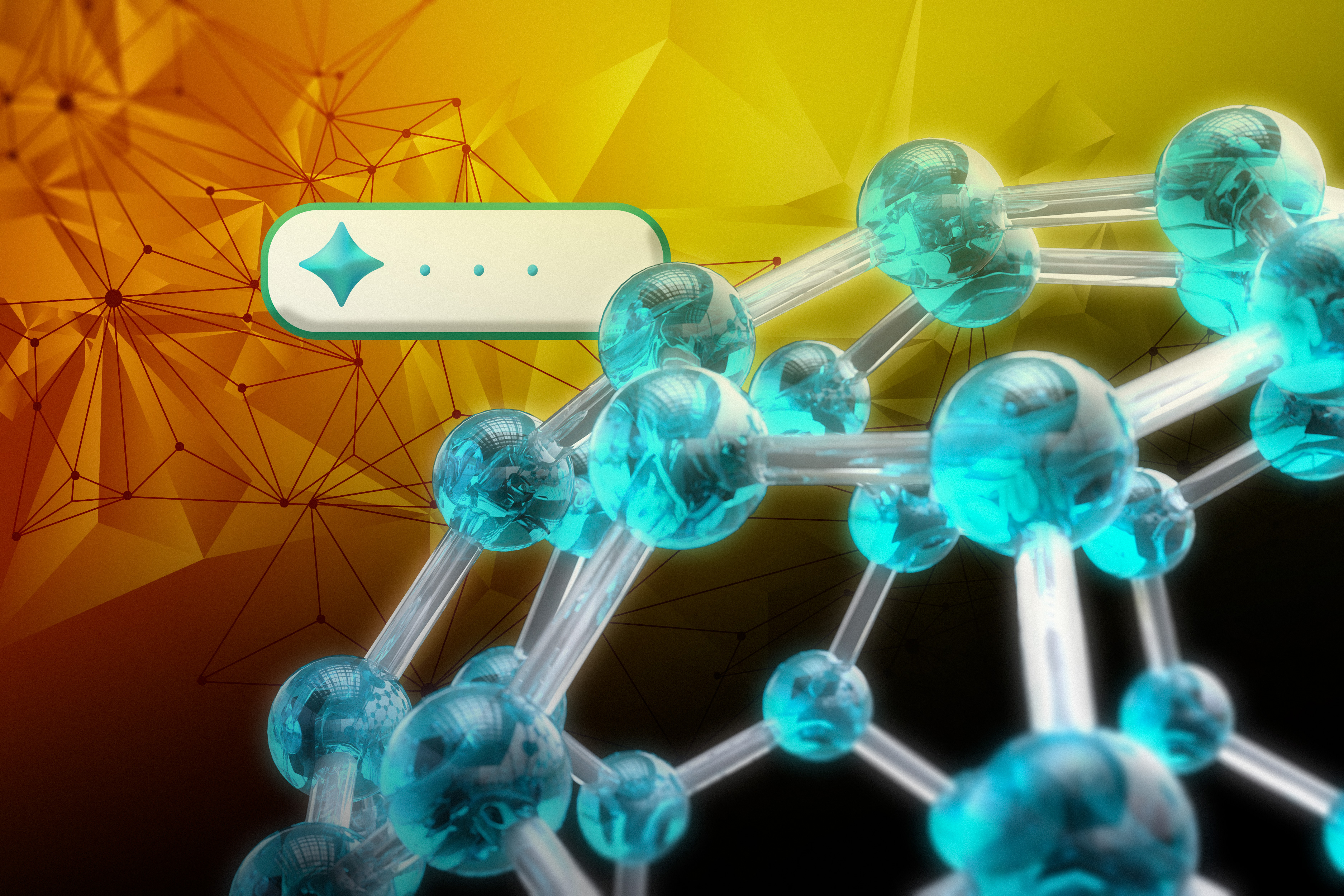
Unlocking the Secrets of Crystalline Materials with Artificial Intelligence
Artificial intelligence is rapidly changing how scientists and engineers analyze materials, especially those with complex crystalline structures. Recent advancements have enabled AI models to visualize these materials in three dimensions, providing deeper insights into their unique properties and behaviors. For tech enthusiasts and learners, this development opens up new possibilities for understanding the relationship between structure and function in the materials world.
Why Crystalline Materials Matter
Crystalline materials, such as metals, minerals, and semiconductors, are fundamental in countless technological applications. Their atomic arrangement determines characteristics like strength, conductivity, and reactivity. Traditionally, exploring these properties required painstaking experiments or advanced simulations. Now, AI can accelerate this process by learning to 'see' and interpret the intricate geometry of crystals.
How AI Models Learn to See in 3D
Recent breakthroughs have equipped AI models with the ability to process three-dimensional representations of crystalline structures. These models use advanced neural networks to analyze spatial relationships between atoms, predict material properties, and even suggest new materials for specific applications. By training on vast datasets of crystal configurations, AI develops a nuanced understanding that was previously out of reach for traditional algorithms.
Unique Angle: Empowering Tech Learners to Explore Materials Science
For those new to materials science or AI, these developments are not just academic—they provide practical entry points for learning and experimentation. Open-source datasets and visualization tools allow beginners to interact with real crystal structures, while educational platforms offer guided tutorials on how AI models are built and trained. Whether you're interested in coding, engineering, or scientific discovery, this field is bursting with opportunities to apply your skills in meaningful ways.
What This Means for Beginners
If you're just starting out, understanding how AI interprets crystalline materials can help you grasp foundational concepts in both machine learning and materials science. You can experiment with simple models, visualize atomic arrangements, and even participate in online challenges to predict crystal properties. These activities not only build your technical skills but also connect you to a vibrant community of researchers and innovators.
How to Get Started in AI-Powered Materials Analysis
- Learn the Basics: Start by studying the principles of crystallography and machine learning. Online courses and tutorials are widely available.
- Explore Visualization Tools: Use free software to view and manipulate 3D crystal structures. Tools like VESTA and pymatgen are popular in the field.
- Experiment with AI Models: Try training simple neural networks to classify materials or predict properties. Many frameworks, such as TensorFlow and PyTorch, offer beginner-friendly guides.
- Join the Community: Engage with forums, participate in hackathons, and collaborate on open-source projects related to materials science and AI.
Practical Takeaways
- AI is transforming how we understand and innovate with crystalline materials, making research faster and more accessible.
- Beginners can leverage open-source tools and datasets to learn about both materials science and AI applications.
- Building foundational skills in visualization and machine learning will open doors to exciting careers and research opportunities.
Want to read more?
This is a summary of the article. You can read the full story on the original publisher's website.
Read Full Article



.jpeg&w=3840&q=75)