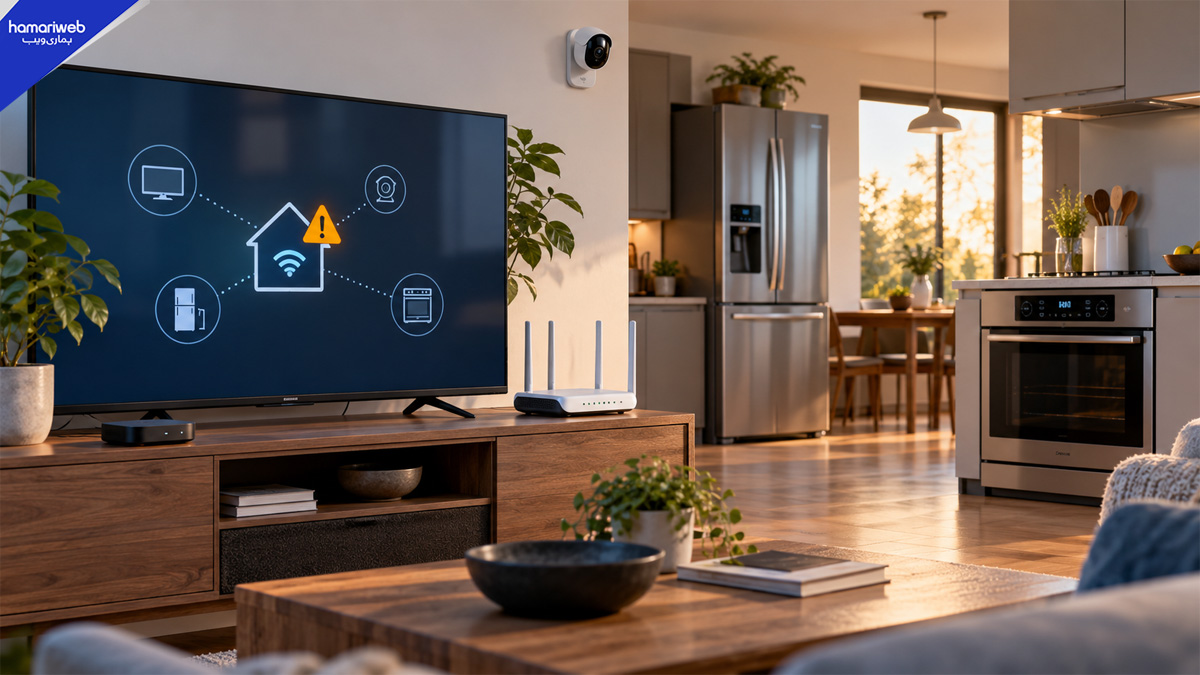
AI and the Growing Threat to Smart Home Devices
As artificial intelligence becomes an integral part of modern technology, experts are raising concerns about its potential misuse. Smart TVs, ovens, security cameras, and other internet-connected devices are now vulnerable to a new kind of threat: AI-driven malware. Unlike traditional viruses, these advanced "AI worms" have the capability to self-replicate and adapt, making them a serious risk for anyone who uses smart home technology.
Understanding AI Worms: What Makes Them Dangerous?
AI worms represent an evolution in malicious software. Instead of relying solely on programming tricks, these worms can use AI models to analyze their environment, find weaknesses, and move from device to device. Once inside a smart appliance, the worm could copy itself onto other vulnerable devices, spreading rapidly across your home network. The ability of AI worms to learn and adapt means traditional defenses like firewalls and antivirus software may not be enough.
How Could AI Attacks Impact Everyday Users?
Imagine waking up to find your smart TV behaving strangely, or your oven turning on without your input. These aren’t science fiction scenarios—they’re becoming real possibilities as AI-driven attacks grow more sophisticated. Hackers could use AI worms to:
- Steal personal data from devices
- Manipulate device settings and functions
- Access security cameras to monitor your home
- Disrupt everyday routines with unauthorized actions
For consumers, these risks highlight the importance of securing every device connected to the internet—not just computers and phones.
Why Is This a Unique Challenge for Cybersecurity?
Traditional malware depends on fixed code and predictable behaviors, which security tools can often detect. AI worms, on the other hand, are built to learn and evolve, making them harder to spot and stop. They may find creative ways to bypass security, exploit weak passwords, or even mimic normal device activity to avoid detection. This means that the usual strategies for keeping devices safe may need a rethink as AI threats become more common.
What This Means for Beginners
If you're new to smart home technology or just starting to understand cybersecurity, this emerging threat can sound overwhelming. The good news is that learning the basics of device security is still your best defense. Simple steps like updating firmware, using strong passwords, and being cautious about which devices you connect can make a huge difference. Beginners should focus on building good habits and staying informed about new risks as technology evolves.
How to Learn Skills to Protect Your Smart Home
Staying safe in an AI-powered world means taking a proactive approach to tech education. Here’s how you can start:
- Take a course on cybersecurity basics: Many online platforms offer beginner-friendly lessons that cover device security, password management, and network protection.
- Read up on AI safety: Understanding how AI models work and their potential vulnerabilities will help you spot risks before they become problems.
- Practice device management: Get comfortable with updating software, checking device settings, and monitoring your network for unusual activity.
Three Practical Takeaways
- Always update your smart device firmware to patch security holes
- Use strong, unique passwords for every device and account
- Stay curious—keep learning about new threats and security best practices to protect your home
Want to read more?
This is a summary of the article. You can read the full story on the original publisher's website.
Read Full Article