The Expert Take: Fifth Third Earnings Impact Fintech IT
In our experience mentoring developers for roles at major financial institutions, quarterly earnings reports like Fifth Third Bancorp’s are more than just financial milestones—they’re key signals for IT investment, hiring, and innovation trends in regional banking. When a regional bank like FITB posts strong revenues, it often triggers new technology initiatives and project funding. This is where you, as a technologist, can spot opportunities before they surface on mainstream job boards. Understanding the technical and business context of these events is essential for anyone looking to advance in fintech IT.
What Happened & Why It Matters
Fifth Third Bancorp, a leading regional bank traded on NASDAQ as FITB, is set to announce its latest quarterly earnings—following up on a previous quarter where its revenue grew to $3.26 billion, a substantial 45.9% increase year-over-year. While last quarter’s results were mixed, the revenue growth signals robust business activity, resilience in the regional banking sector, and a likely uptick in IT investment to support ongoing digital transformation and risk management efforts.
This matters to anyone pursuing or advancing a tech career in fintech or banking IT: healthy earnings often translate into increased technology budgets, new digital banking features, and enhanced cybersecurity measures. For context, regional banks like Fifth Third are rapidly modernizing their legacy systems to stay competitive with fintech disruptors and national banks. According to a 2023 McKinsey report, U.S. regional banks are expected to increase IT spending by 8-12% annually through 2025 to meet regulatory, customer experience, and operational efficiency demands.
The Technical Reality: What Engineers Need to Know
Let’s dig into what Fifth Third’s earnings mean for engineers in the trenches. A 45.9% revenue jump suggests the bank has both the resources and the imperative to accelerate its digital strategy. This typically manifests in multiple interrelated projects:
- Core banking modernization: Expect increased demand for skills in mainframe migration, API-first architectures, and containerization (e.g., using Docker and Kubernetes). Regional banks are moving from COBOL-based core systems toward modern stacks—think Java Spring Boot, .NET Core, and cloud-native microservices.
- Cloud adoption: Fifth Third and its peers are leveraging AWS, Azure, and Google Cloud for everything from fraud detection to mobile banking. For instance, Fifth Third has previously partnered with IBM for hybrid cloud solutions using IBM Cloud for Financial Services to comply with industry regulations while modernizing infrastructure.
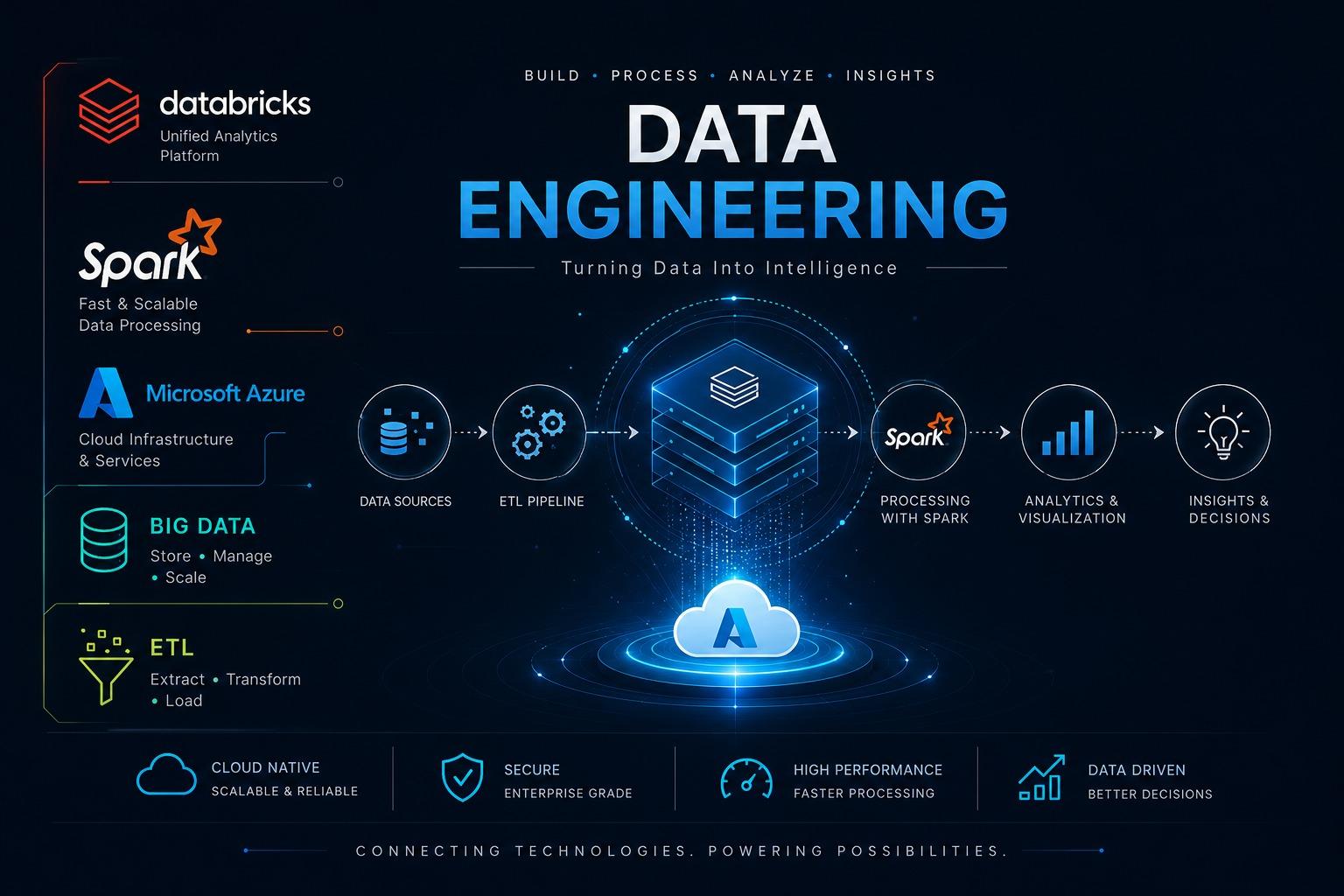
- Data engineering and analytics: With more users and transactions, data pipelines (using Apache Kafka, Spark, and Snowflake) are critical for real-time risk analytics, customer insights, and regulatory reporting. Skills in ETL, data lakes, and event-driven architectures are becoming table stakes.
- Cybersecurity and compliance: Rapid growth makes regional banks targets for cyber attacks. Security engineers will find increasing demand for expertise in zero trust architectures, identity and access management (IAM), and regulatory compliance frameworks like PCI DSS and SOX. Newer patterns like (using Terraform or AWS CloudFormation) are also being adopted to enforce security policies.
infrastructure as code
Comparing this to national banks—where the tech stack might already be more mature—regional banks like Fifth Third are in catch-up mode. This means engineers have the unique chance to work on greenfield projects, influence technical direction, and build future-proof skills. For example, a recent Stack Overflow job posting for Fifth Third highlighted roles in cloud engineering, DevOps, and data science, all tied to the bank’s ongoing IT modernization.
From an architectural standpoint, you should be ready to work with hybrid cloud deployments (on-prem plus public cloud), handle legacy integration (SOAP to RESTful APIs), and design for high availability and disaster recovery—crucial in regulated environments. Key patterns include the
strangler figIn summary, the technical reality is that FITB’s healthy earnings are a green light for new tech projects, and engineers who understand both legacy financial systems and modern cloud/data stacks will be in highest demand.
Why This Directly Impacts Your Tech Career
If you’re eyeing a career in fintech or banking IT, Fifth Third’s earnings—and the broader trend of regional bank modernization—represent a significant opportunity. Here’s why:
- Job Roles Most Affected: Software Engineers (especially with Java/.NET and API skills), Cloud Solutions Architects, DevOps Engineers, Data Engineers, and Cybersecurity Analysts. Product managers with tech fluency are also in demand as banks expand their digital offerings.
- Demand Shift for Skills: Over the next 12-24 months, expect a marked increase in job postings requiring cloud migration, DevOps automation, and data engineering experience. Regional banks are hiring aggressively to modernize their tech while meeting compliance mandates.
- Industries Hiring: The immediate impact is in financial services, but related sectors—like healthtech and insurtech—are also adopting similar tech stacks and architectural patterns, creating spillover demand for your skills.
- Compensation Context: According to Glassdoor, median base salaries for cloud engineers in regional banking hover around $120,000–$145,000, with data engineers and security architects often earning more. The push to modernize legacy systems means banks are willing to pay a premium for engineers who can bridge old and new technologies.
In addition, roles in regulatory tech (regtech) and digital payments are expanding, with new titles like Digital Product Engineer and Cloud Security Architect appearing on job boards. By aligning your skillset to these trends, you position yourself for both immediate roles and long-term career growth. The key is to anticipate what banks like Fifth Third need next—not just what they needed last year.
Skills You Should Build Right Now
- Cloud Architecture (AWS, Azure, GCP): FITB’s growth means more cloud-native projects. Start with the AWS Solutions Architect Associate or Azure Administrator certification to build foundational skills.
- API-First Development: Banks are replacing legacy integrations with RESTful APIs and GraphQL. Complete the MDN API design tutorials and build a sample project exposing financial data via APIs.
- Data Engineering (Kafka, Spark, Snowflake): Real-time data is crucial for banking analytics and compliance. Take the free DataStax Academy course on streaming data pipelines.
- DevOps Automation (Terraform, CI/CD): Infrastructure as code and automated deployments are essential for security and speed. Build a CI/CD pipeline on GitHub Actions and automate cloud provisioning with Terraform.
- Security and Compliance (Zero Trust, IAM): With increased digital activity, banks prioritize security. Study the basics of zero trust from the NIST Zero Trust Architecture guide and implement IAM policies in a cloud lab.
- Mainframe/Legacy System Modernization: Understanding both COBOL and modern stacks is a differentiator. Explore the strangler fig pattern and simulate a migration project in a cloud sandbox.
Interview Preparation: Questions to Expect
-
Explain how you would approach migrating a legacy COBOL banking application to a cloud-native microservices architecture.
Guidance: Focus on migration patterns, incremental delivery (strangler fig), and integration challenges with APIs and data stores. -
What compliance and security challenges do regional banks face during digital transformation?
Guidance: Mention PCI DSS, SOX, zero trust, and how cloud providers offer compliance tools. Relate to recent industry incidents if possible. -
Describe a time when you automated an infrastructure deployment. What tools did you use, and what was the business impact?
Guidance: Use STAR (Situation, Task, Action, Result) format. Highlight tools like Terraform, Ansible, or GitHub Actions, and link to faster releases or lower error rates. -
How would you design a real-time fraud detection system for a regional bank?
Guidance: Mention event-driven architectures, Kafka/Spark for stream processing, and how you’d ensure scalability and low-latency analytics.
Support Me Techs Perspective
Our team at Support Me Techs has seen firsthand how regional banks’ earnings announcements foreshadow major technology investments—and hiring waves. We train our students to read between the lines of these reports, so you can position yourself for projects that matter most. Our hands-on approach means you won’t just understand the theory, but you’ll build real-world solutions—like automating a compliance workflow or migrating a legacy app to the cloud. The banks that modernize fastest will win, and so will the technologists who can bridge the old and new. We encourage you to move beyond coding in isolation—think like an architect, understand the business context, and you’ll become indispensable in this sector.
3 Things You Can Do This Week
- Sign up for a free cloud skills lab (e.g., AWS Cloud Quest or Azure Labs) and deploy a sample banking API to the cloud.
- Review recent SEC filings and tech press releases from Fifth Third Bancorp to spot ongoing or upcoming IT initiatives.
- Join a fintech or banking technology meetup (virtual or in-person) to network with professionals working on digital modernization projects.
Frequently Asked Questions
What programming languages are most valuable for regional bank IT jobs?
In regional banks like Fifth Third, legacy systems often run on COBOL or PL/SQL, but there’s a rapid shift toward Java, .NET Core, Python, and JavaScript (Node.js, React). Knowing both legacy and modern languages is a huge asset for migration projects. For most roles, focus on Java and Python for backend, with exposure to SQL and RESTful APIs. Check the FINOS open source banking projects for real-world examples.
How does cloud adoption impact IT security in regional banks?
Cloud adoption introduces both opportunities and challenges. Banks gain scalability and access to advanced security tools (like IAM, encryption, and SIEM), but must also address new risks—such as misconfigured resources or third-party dependencies. Regional banks often implement hybrid or multi-cloud strategies to balance control and innovation. Following frameworks like NIST’s Zero Trust and automating security policies with Terraform or AWS Config is becoming the norm.
Is fintech IT experience transferable to other industries?
Absolutely. Skills in cloud architecture, data engineering, DevOps, and cybersecurity are highly portable. Many healthtech, insurtech, and retail companies use similar stacks and regulatory frameworks. If you learn to manage sensitive financial data and regulatory compliance in banking, you’ll be well-positioned for roles in any industry where data integrity and security matter. Highlight your experience with compliance standards and large-scale migrations in your resume and interviews.
Want to read more?
This is a summary of the article. You can read the full story on the original publisher's website.
Read Full Article