
India's Bold Step Toward Naval Innovation: The Vizag Testing Facility
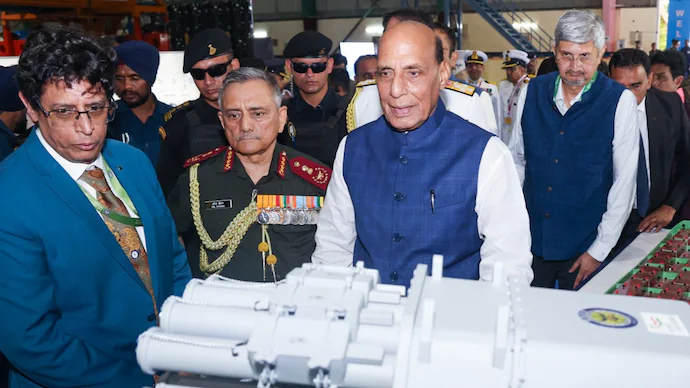
On February 1, 2025, a significant milestone in India's journey toward advanced naval technology was marked with the foundation laying of an ultra-modern Large Cavitation Tunnel (LCT) at the Naval Science and Technological Laboratory (NSTL) in Visakhapatnam. This move, led by Defence Minister Rajnath Singh, signals India's commitment to strengthening its maritime research and engineering capabilities, positioning the country at the forefront of naval innovation.
What is a Large Cavitation Tunnel?
At its core, a Large Cavitation Tunnel (LCT) is a specialized facility that allows scientists and engineers to study how water and air interact with underwater objects—such as ship hulls, propellers, and torpedoes. By simulating real-world conditions, researchers can analyze cavitation, a phenomenon where vapor bubbles form and collapse on surfaces moving rapidly through water. Understanding and controlling cavitation is essential for designing quieter, faster, and more efficient naval vessels.
Why Vizag and NSTL Matter
Visakhapatnam, often called Vizag, is a strategic city for India's maritime ambitions. Home to the NSTL, one of the premier naval research centers under the Defence Research and Development Organisation (DRDO), Vizag is a hub for developing cutting-edge underwater technology. The new LCT facility will further empower scientists to test advanced designs and new materials, directly impacting the effectiveness and safety of India's naval fleet.
How Does This Facility Impact Naval Technology?
The LCT will serve as a key infrastructure for testing and validating new ship designs, underwater weapons, and propulsion systems. By replicating oceanic conditions within a controlled environment, engineers can identify potential issues before deploying technology at sea. This not only saves time and resources but also ensures the Indian Navy maintains a technological edge in underwater warfare and maritime security.
What This Means for Tech Learners and Engineering Students
The foundation of this advanced facility is fantastic news for students, aspiring engineers, and tech enthusiasts. It highlights the growing importance of interdisciplinary skills—combining mechanical engineering, fluid dynamics, computer modeling, and material science—in modern naval research. For those interested in defense technology or marine engineering, the LCT opens up new avenues for research, internships, and innovative projects.
How to Get Involved: Building Skills for Naval R&D
- Study Fluid Mechanics and Hydrodynamics: Understanding how fluids interact with surfaces is crucial. Courses in fluid mechanics, computational fluid dynamics (CFD), and naval architecture lay the foundation for this field.
- Explore Simulation and Modeling Tools: Modern testing relies heavily on computer simulations. Familiarize yourself with tools like ANSYS, OpenFOAM, or MATLAB to model physical phenomena before physical testing.
- Engage in Naval or Defense Technology Projects: Look for academic or open-source projects related to ship design, underwater robotics, or propeller testing. Participating in competitions or internships with organizations like DRDO or NSTL can provide practical experience.
What Makes the LCT a Game Changer?
Unlike traditional test facilities, the new LCT in Vizag will be equipped with advanced sensors, data acquisition systems, and high-speed cameras. This will enable real-time analysis of cavitation effects and provide feedback for rapid design iteration. The facility is not just for the military; it can also support research in commercial shipbuilding and renewable marine energy.
Three Practical Takeaways
- Stay Updated on Defense Tech: Keep track of major infrastructure projects like the Vizag LCT, as they signal shifts in research trends and emerging job opportunities.
- Build a Strong Foundation in Engineering Basics: Core concepts in hydrodynamics, materials science, and simulation will be increasingly valuable as India expands its naval research capabilities.
- Seek Collaboration and Networking: Join forums, attend webinars, or participate in hackathons focused on maritime or defense technology to connect with experts and peers in the field.
Want to read more?
This is a summary of the article. You can read the full story on the original publisher's website.
Read Full Article