The Expert Take: Mining Strike Resolution Alters Tech Landscape
In our experience working with hundreds of engineers embedded in industries like mining and finance, labor strikes are more than headline events—they impact everything from digital infrastructure to real-time analytics. Having trained developers supporting mission-critical systems at mining conglomerates, we know firsthand how union negotiations can rapidly shift priorities for automation, optimization, and safety technologies. When operational disruptions end, the demand for resilient web platforms, IoT solutions, and financial integrations surges—presenting unique opportunities for tech professionals.
What Happened & Why It Matters
Antofagasta’s Centinela mine, one of Chile’s largest copper producers, recently concluded a labor strike after reaching an agreement with its unions. The strike, which lasted several days, had halted significant portions of Centinela’s operations, directly affecting global copper supply and the digital systems that underpin mining logistics. According to Antofagasta PLC, Centinela contributes roughly 21% of the company’s annual copper output, spotlighting the importance of operational continuity.
For tech learners, this event underscores how labor disruptions ripple through enterprise web platforms, ERP systems, and data pipelines. When mines halt production, there’s an immediate impact on real-time monitoring dashboards, supply chain logistics, and financial reporting tools—often built on stacks like SAP, Microsoft Azure, and custom web applications. The resolution means rapid restoration of digital workflows and renewed investment in automation, predictive analytics, and labor management platforms.
The Technical Reality: What Engineers Need to Know
From a technical perspective, labor strikes in resource-intensive industries like mining expose both the vulnerabilities and strengths in enterprise technology stacks. During the Centinela strike, operations relying on web-based logistics and IoT sensors were forced into fallback modes or temporary shutdowns. Engineers maintaining these systems face urgent architectural challenges:
- Resilience and Fault Tolerance: Platforms such as Azure IoT Central and AWS IoT Core must be designed to handle abrupt stoppages and restart sequences. For example, engineers often implement logic and circuit breakers in microservices to ensure data consistency when physical sensors go offline.
retry - Real-Time Data Processing: Mining operations depend on streaming analytics using tools like Apache Kafka (version 3.x) and Azure Stream Analytics. During strikes, event streams may dry up or become erratic, requiring robust handling of null data and exception paths in code such as:
try { processEvent(event); } catch (NoDataException e) { log.warn("Data stream interrupted: " + e.getMessage()); } - Web Platform Integration: Business continuity depends on seamless integration between mining ERP systems (e.g., SAP S/4HANA) and financial reporting portals. Post-strike, engineers must ensure reconciliation between delayed production data and live financial metrics, often using ETL pipelines built with Apache Airflow or Azure Data Factory.
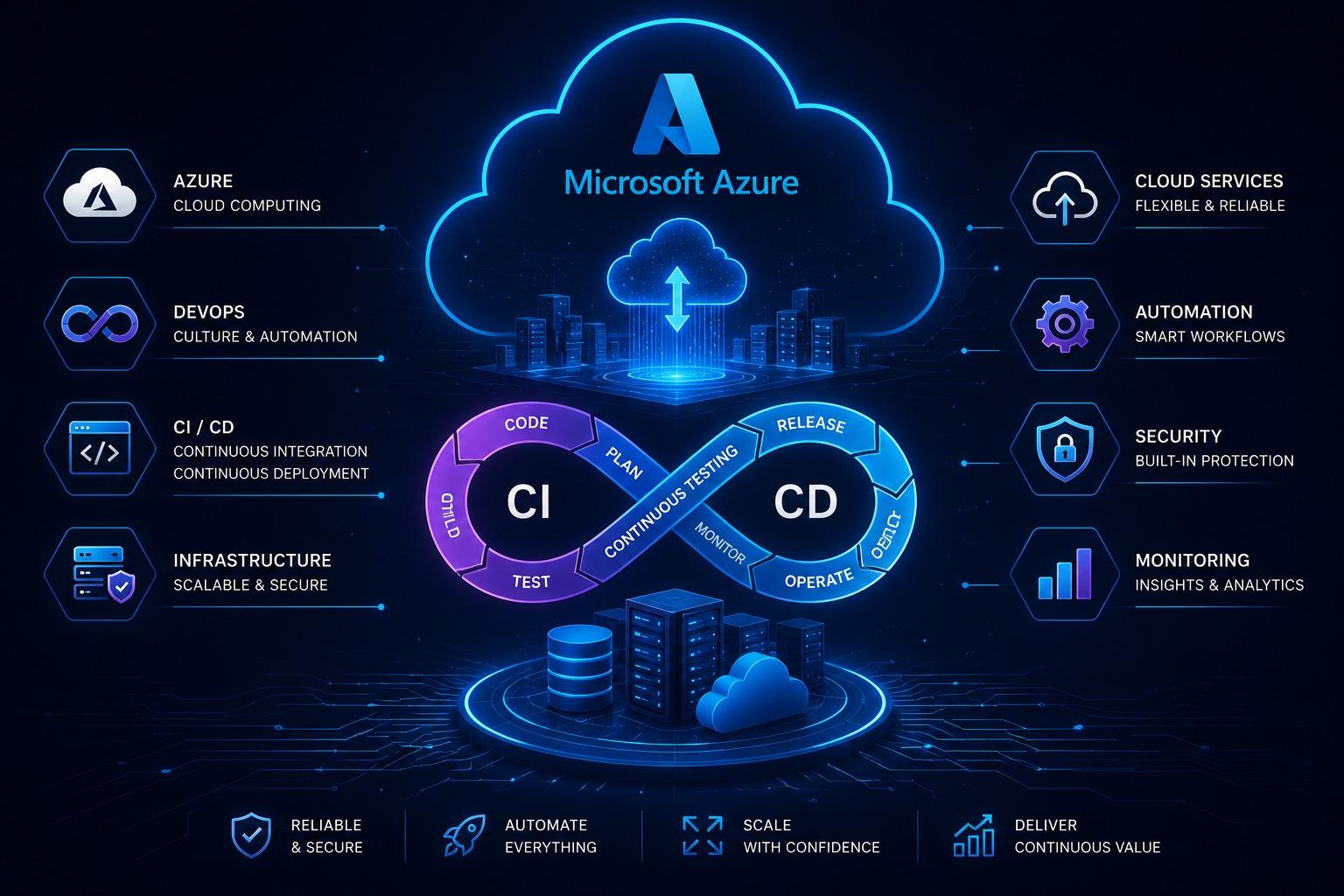
- Labor Management Systems: The strike resolution frequently triggers updates to HR platforms, time tracking, and compliance modules. Engineering teams must patch and deploy changes swiftly, often leveraging CI/CD pipelines with tools like GitHub Actions or GitLab CI.
Compared to alternatives, mining tech stacks are uniquely complex: operations blend legacy PLCs, real-time SCADA, and modern cloud solutions. Unlike retail or fintech, downtime means lost millions—not just lost customers. Engineers must architect for rapid recovery, data reconciliation, and compliance audit trails. Refer to Microsoft’s IoT Hub documentation for best practices in industrial IoT resilience.
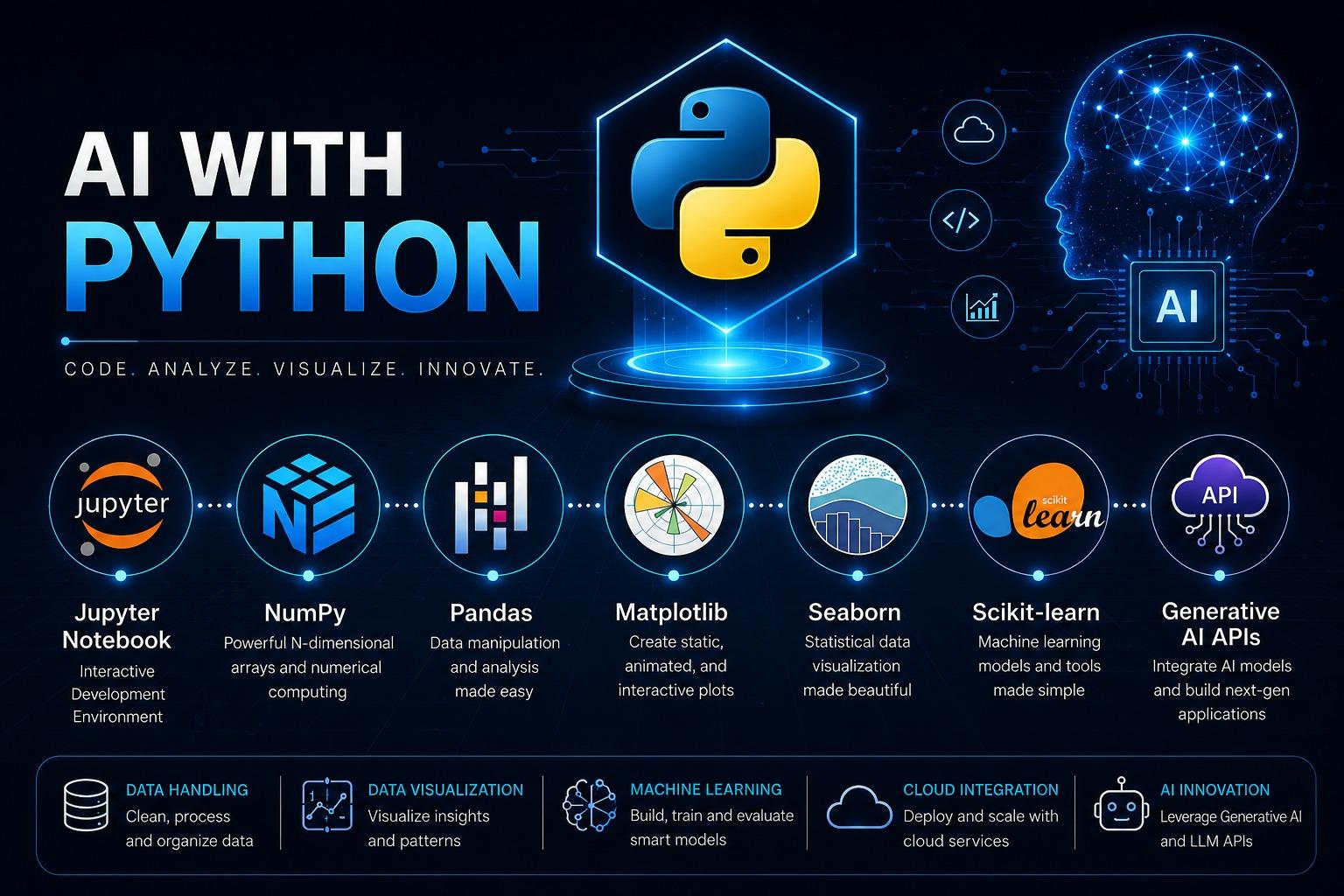
Another key consideration: after strikes, there’s often a surge in requests for automation and predictive analytics to minimize future disruptions. This means Python-based ML pipelines, data visualization with Power BI, and integration with labor negotiation forecasting tools. Engineers who understand these patterns, especially those with experience in event-driven architectures, are highly sought after.
Why This Directly Impacts Your Tech Career
As a career mentor, we see labor events like the Centinela strike as catalysts for hiring and skill realignment in tech roles supporting mining, logistics, and enterprise finance. When operations resume, companies scramble to modernize their digital infrastructure—leading to a spike in demand for professionals who can build, maintain, and optimize resilient web platforms.
The most affected roles include Software Engineers (especially those specializing in backend and cloud integration), DevOps Engineers (for automating deployment and recovery), and Data Engineers (for reconciling delayed or disrupted event streams). In the next 12-24 months, expect increased demand for skills in industrial IoT, real-time analytics, and web-based labor management systems, particularly in mining, manufacturing, and fintech sectors.
Industries hiring for these skills are not limited to mining: logistics, supply chain, and healthtech (where labor disruptions also impact operations) are investing in robust digital solutions. According to Glassdoor, DevOps engineers in industrial sectors can command salaries 10-20% higher than their retail counterparts, with total compensation ranging from $110,000 to $150,000 USD for senior roles. Professionals who can bridge the gap between legacy industrial systems and modern cloud architectures are positioned for career acceleration.
Skills You Should Build Right Now
- Industrial IoT Integration: Labor disruptions highlight the need for robust IoT platforms. Start with Azure IoT Fundamentals and build hands-on projects connecting sensors to cloud dashboards.
- Event-Driven Architecture: Real-time data handling is critical. Learn Apache Kafka basics (via Confluent’s free courses), then deploy a simple event pipeline in your own sandbox environment.
- ERP System Customization: Mining relies on platforms like SAP. Take the SAP S/4HANA openSAP course and experiment with customizing data integrations.
- CI/CD for Industrial Applications: Automated deployment is essential for rapid recovery. Start with GitHub Actions tutorials and simulate code pushes for patching HR modules.
- Predictive Analytics for Labor Management: Strikes drive investment in forecasting tools. Begin with Power BI’s analytics modules and analyze sample labor datasets.
- Supply Chain Web Platform Design: Build web dashboards using React or Angular that visualize mining logistics, then connect them to real-time data streams.
Interview Preparation: Questions to Expect
- "Describe how you would architect a web platform to handle sudden operational disruptions, such as a labor strike, in a mining environment."
Guidance: Focus on resilience, failover, real-time data handling, and integration with legacy systems. - "How can event-driven architectures improve continuity during labor disputes?"
Guidance: Highlight Kafka, message queues, and robust error handling patterns. - "Have you ever had to reconcile delayed data streams after a system outage? What challenges did you face?"
Guidance: Share a real example, discuss ETL pipelines, and emphasize attention to data integrity. - "What steps would you take to update labor management systems after a union agreement is reached?"
Guidance: Explain patch deployment, compliance auditing, and user communication strategies.
Support Me Techs Perspective
At Support Me Techs, we see strike resolutions as teachable moments for real-world system design. Our students have built recovery modules for mining dashboards, automated HR updates post-negotiation, and learned the intricacies of integrating legacy PLCs with modern cloud APIs. We emphasize hands-on projects that simulate these industry scenarios—because book knowledge alone won’t prepare you for the pace and stakes of industrial tech. Our live sessions and mentorship expose learners to the exact patterns and tools used by engineers at global mining companies, helping you build the confidence and skills recruiters want.
3 Things You Can Do This Week
- Deploy a sample IoT sensor simulation to Azure IoT Central and monitor its data interruptions.
- Write a Kafka-based event handler that gracefully manages empty or delayed streams, then document your recovery logic.
- Take the SAP S/4HANA openSAP course and build a basic integration scenario reflecting delayed production data.
Frequently Asked Questions
How does a labor strike in mining affect web-based supply chain platforms?
Labor strikes cause operational halts, which disrupt real-time data flows to supply chain dashboards and logistics web platforms. Engineers must implement fallback mechanisms, ensure data reconciliation post-strike, and update business logic to reflect production changes. These events often lead companies to invest in more resilient, event-driven architectures and automation to minimize future disruption. For detailed patterns, refer to Stack Overflow’s IoT interruption handling thread.
What are the most valuable tech skills after a mining strike?
The most valuable skills include industrial IoT integration, event-driven architecture (Kafka), ERP system customization (SAP), CI/CD automation for rapid deployment, and predictive analytics for labor management. These skills address operational recovery, data reconciliation, and future-proofing against disruptions. Learning paths should focus on hands-on projects, official documentation, and industry-specific courses.
Which tech roles see salary increases after labor disruptions in industries like mining?
Roles such as DevOps Engineer, Software Engineer (especially backend and integration), and Data Engineer are in high demand and often see salary increases after labor disruptions. Industrial sectors value professionals who can bridge legacy systems with modern cloud architectures, leading to compensation 10–20% higher than similar roles in retail or consumer tech. Check industry-specific job boards and Glassdoor for up-to-date salary benchmarks.
Want to read more?
This is a summary of the article. You can read the full story on the original publisher's website.
Read Full Article