
Paving New Roads: Pakistan’s Leap Into Free Public Transport
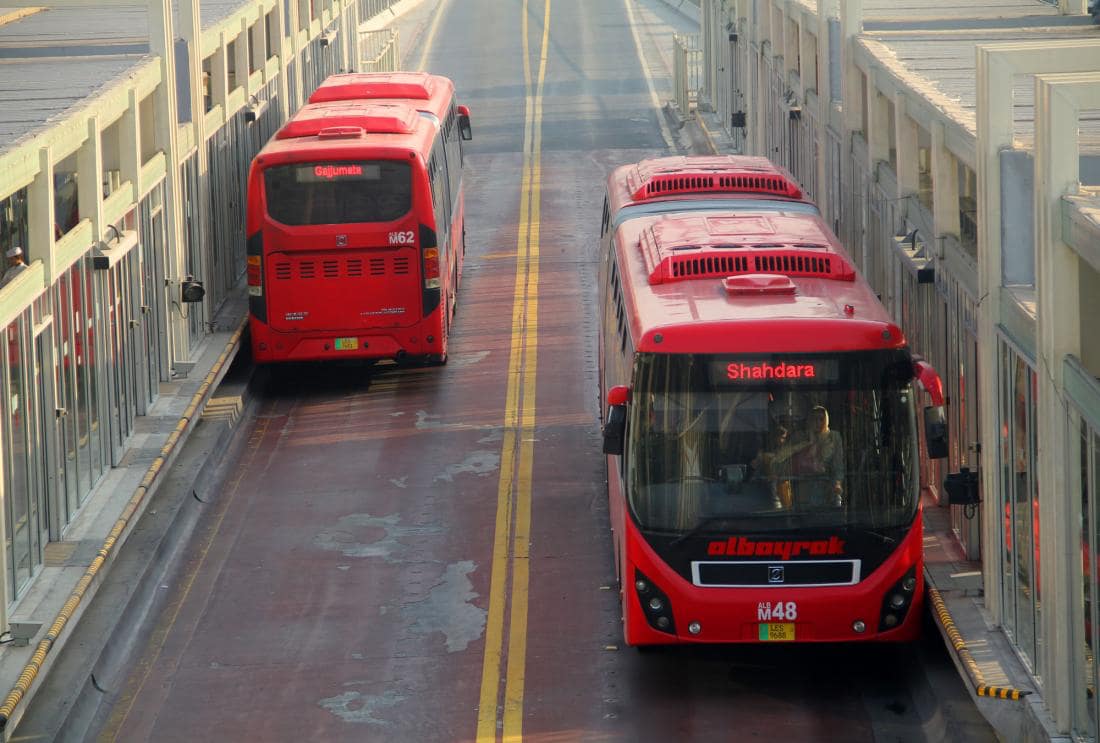
Recent developments in Pakistan have set the stage for a transformative change in the way citizens commute. Responding to mounting public frustration over spiking fuel prices, the government has announced a groundbreaking initiative: free public transportation across Punjab and Islamabad. This policy, spearheaded by Interior Minister Mohsin Naqvi, aims to ease the financial strain on everyday commuters while sparking a conversation about the intersection of technology, urban mobility, and community wellbeing.
Why Free Public Transport Matters Now
The surge in fuel costs has hit households hard, with many people forced to reconsider daily travel between work, school, and home. Introducing free public transit is more than just a temporary fix—it’s a crucial experiment in urban accessibility. By making buses, trains, and metro systems freely available, the government hopes to reduce reliance on expensive private vehicles and offer immediate relief to families feeling the squeeze.
Technology’s Role in Modern Urban Mobility
Behind the scenes, technology is the backbone that makes such ambitious public policies possible. Modern transit systems rely heavily on advanced scheduling software, real-time passenger information, automated fare collection (now temporarily disabled), and mobile apps to keep citizens informed. By waiving fares, the government is also testing the resilience and scalability of its transport tech infrastructure, as more riders are expected to take advantage of these services.
Potential for Smart Transit Solutions
This initiative opens the door for further investment in smart city solutions. With increased footfall, data analytics can help authorities understand commuter patterns, identify peak hours, and optimize routes. For tech learners and enthusiasts, this is a live case study in how digital tools can be leveraged to address real-world challenges.
What This Means for Tech Beginners
If you’re new to the world of urban technology, there’s never been a better time to explore how digital transformation is reshaping public services. Whether you’re interested in coding mobile apps for commuters or analyzing public transit data, the landscape is rich with opportunities. The shift towards free, tech-enabled transport systems highlights the need for skills in:
- Data Analytics: Understanding how rider information can be used to improve services.
- Mobile Development: Building and maintaining apps that guide commuters.
- IoT and Automation: Integrating sensors and smart devices to streamline operations.
How to Get Started Learning Transit Tech Skills
Curious about how you can get involved? Here’s a simple roadmap to start your journey into public transport technologies:
- Online Courses: Platforms like Coursera, Udemy, and SupportMeTechs offer beginner programs in data science, app development, and IoT basics.
- Open Data Projects: Access public transport datasets and practice visualizing patterns or building simple dashboard apps.
- Community Hackathons: Look for local or online events focused on smart city solutions—these are great for networking and hands-on experience.
Looking Ahead: Could Free Transit Be the Future?
Pakistan’s experiment echoes a global trend, with cities from Tallinn to Luxembourg piloting free or subsidized public transit. As more governments explore these models, the demand for tech-savvy professionals to manage, analyze, and innovate urban mobility will only grow. For learners and aspiring technologists, keeping an eye on how free transit impacts daily life, urban congestion, and environmental sustainability can inspire new project ideas and career paths.
3 Practical Takeaways for Tech Learners
- Analyze Real-World Impact: Use Pakistan’s free transit initiative as a case study for how technology supports public policy.
- Explore Transport Tech: Start learning about the digital tools behind modern buses, trains, and metro systems.
- Engage Locally: Participate in community discussions and projects to understand the unique mobility challenges in your city.
Want to read more?
This is a summary of the article. You can read the full story on the original publisher's website.
Read Full Article