The Rise of Robotic Solar Installation
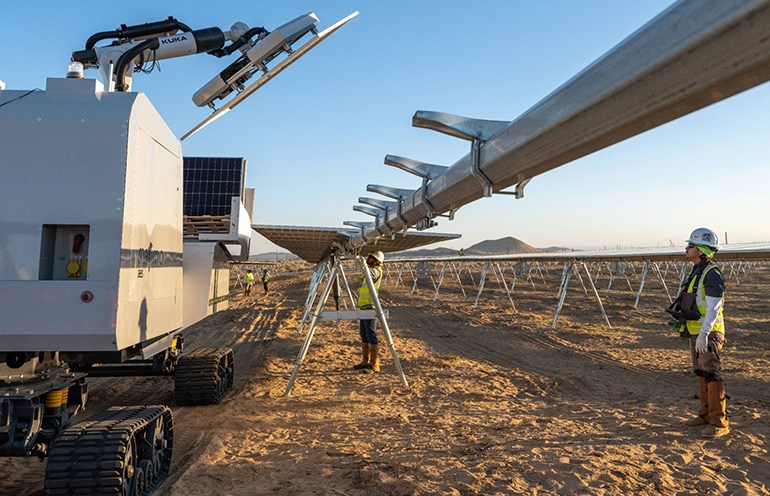
The integration of robotics into the renewable energy sector is accelerating, with the latest milestone coming from the AES Maximo robot. This advanced machine has recently completed the installation of 100 megawatts of solar capacity at a California facility, signaling a new era for clean energy deployment. But what does this achievement mean for the future of solar technology and the professionals building these solutions?
What Is the AES Maximo Robot?
Developed by Maximo, a robotics startup nurtured by energy leader AES, the Maximo robot is designed to automate and streamline the process of installing solar panels. Traditionally, fitting vast arrays of solar panels is a labor-intensive task, requiring skilled technicians to work in challenging outdoor conditions. Maximo’s robots are engineered to handle repetitive, precision-based tasks efficiently, which minimizes human error and accelerates project completion.
Why Robotic Installation Matters in Solar Energy
Solar farms are expanding rapidly, but the industry faces persistent challenges—finding enough skilled labor, ensuring consistency in installation, and meeting tight deadlines. Robots like Maximo address these pain points by:
- Increasing Speed: They can work around the clock, completing installations faster than human crews alone.
- Improving Safety: Robots reduce the need for workers to perform high-risk tasks in extreme weather or difficult terrain.
- Ensuring Quality: Automation brings a higher level of precision and consistency, which is crucial for the long-term efficiency of solar systems.
How Does the Maximo Robot Work?
While the technical specifics are proprietary, solar installation robots typically use a combination of sensors, cameras, and artificial intelligence to navigate solar farms and position panels accurately. Maximo’s robots are likely equipped with mechanical arms to lift and place panels, as well as software algorithms that optimize placement for maximum energy output. This blend of hardware and software is what makes these robots valuable assets for large-scale renewable energy projects.
What This Means for Beginners in Tech and Energy
If you’re just starting your journey in technology or renewable energy, the success of Maximo’s robot reveals a few important trends:
- Interdisciplinary Skills are Key: Careers in solar robotics blend mechanical engineering, software development, and energy systems knowledge.
- Growth in Green Technology: The adoption of robots in solar energy points to expanding opportunities for those who can design, build, or maintain these systems.
- Focus on Automation: Understanding automation technologies like robotics, machine learning, and sensor integration is increasingly valuable.
How to Get Started with Solar Robotics
If you want to participate in the future of solar installation, consider these steps:
- Learn the Basics of Robotics: Study foundational topics like electronics, programming (Python or C++), and robotics hardware.
- Understand Solar Technology: Explore how solar panels work, including photovoltaic systems and grid integration.
- Experiment with DIY Projects: Build simple robots or solar-powered devices to gain hands-on experience.
- Follow Industry Trends: Stay updated on developments from companies like AES and Maximo, as innovation is constant in this space.
Looking Ahead: The Impact of Automation on Renewable Energy Jobs
While robots will handle more repetitive tasks, there will still be strong demand for engineers, programmers, and maintenance experts. The industry’s shift toward automation means the workforce will need to adapt, with an emphasis on technical skills and lifelong learning.
3 Practical Takeaways
- Stay Curious: The fusion of robotics and renewable energy is just beginning—exploring both fields will open up new career pathways.
- Invest in Automation Skills: Learn programming, systems integration, and robotics fundamentals to stay relevant in future energy careers.
- Embrace Green Tech: The transition to clean energy is accelerating, and being part of this movement offers both purpose and opportunity.
Want to read more?
This is a summary of the article. You can read the full story on the original publisher's website.
Read Full Article


