
Understanding the Push for Fuel Efficiency in Government Operations
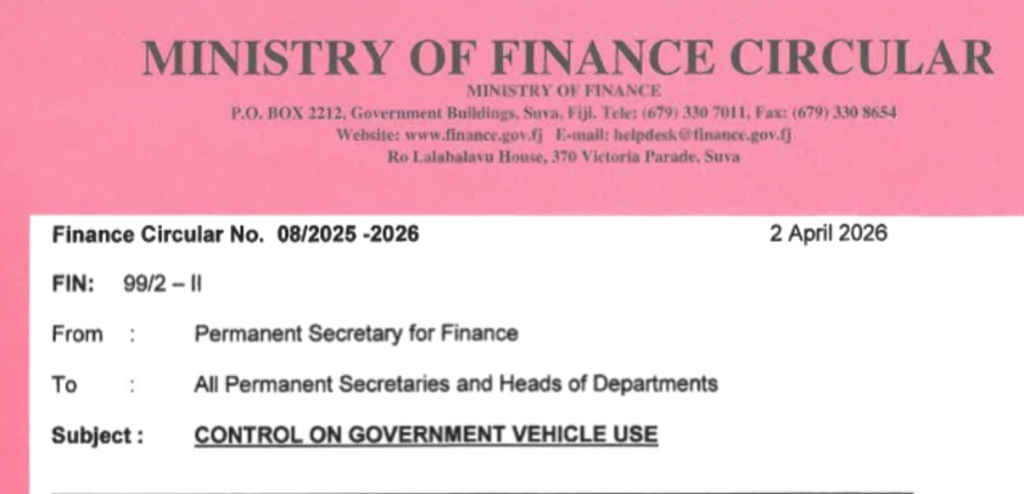
Recently, the government has mandated a significant reduction in fuel consumption across all ministries and agencies. With a target of cutting vehicle fuel usage by 30%, this directive is a response to ongoing global fuel challenges and aims to promote sustainable practices within official operations. But beyond policy, how can technology play a crucial role in achieving these ambitious goals?
The Role of Technology in Reducing Fuel Usage
Fuel conservation isn’t just about driving less—it’s about smarter management. Modern technologies provide several avenues for ministries to optimize their vehicle fleets, monitor usage, and enforce efficiency.
- Telematics Systems: By installing telematics, agencies can track vehicle locations, driving habits, and fuel consumption in real-time. This data-driven approach enables targeted interventions, such as coaching drivers to adopt fuel-saving behaviors.
- Fleet Management Software: These platforms help schedule vehicle use efficiently, avoid unnecessary trips, and ensure regular maintenance, which improves fuel efficiency.
- Route Optimization Algorithms: Leveraging algorithms to plan shorter or less congested routes can dramatically cut down on fuel waste.
- Alternative Fuel Vehicles: Ministries can begin transitioning to electric or hybrid vehicles, saving fuel and reducing emissions over the long term.
Digital Tools All Ministries Should Consider
To meet the new 30% reduction target, ministries should invest in digital solutions that provide visibility and control over vehicle operations. Here are some practical tech tools:
- GPS Tracking: Monitor vehicle movement and restrict unauthorized use.
- Fuel Management Apps: Log and analyze fuel purchases, driving patterns, and maintenance schedules.
- Eco-Driving Training Platforms: Provide online driver training modules to encourage fuel-saving habits.
- Automated Reporting: Use automated systems to flag excessive fuel consumption for immediate action.
What This Means for Beginners in Tech
If you're just starting out in technology, this government directive is a perfect example of how tech skills can make a real-world impact. Learning about fleet management, data analysis, and IoT (Internet of Things) devices can open up career opportunities in both public and private sectors. Beginners can focus on:
- Understanding how sensors and data collection devices work in vehicles
- Exploring software development for fleet management tools
- Studying data analytics to optimize vehicle usage
These skills are not only relevant for government jobs but are increasingly in demand across logistics, transportation, and sustainability sectors.
How to Learn These Skills
Getting involved in fuel-saving technologies doesn’t require an advanced degree. Here’s how you can start:
- Online Courses: Platforms like Coursera and edX offer introductory courses in IoT, data analytics, and fleet management.
- Hands-On Projects: Experiment with Arduino or Raspberry Pi to build simple vehicle tracking systems.
- Internships: Look for entry-level roles in companies specializing in vehicle telematics or logistics.
- Community Involvement: Participate in local sustainability initiatives to gain practical experience.
Looking Forward: The Bigger Picture
As ministries implement these reductions, technology will be at the heart of achieving—and even exceeding—the 30% target. The adoption of smart systems not only conserves fuel but sets the stage for broader digital transformation in government operations. This shift highlights the importance of technical literacy and innovation in solving pressing global challenges.
3 Practical Takeaways
- Adopting digital tools for fleet management is essential for meeting fuel reduction targets.
- Beginners can contribute to sustainability by learning about IoT, analytics, and eco-driving technologies.
- Investing in tech skills now can lead to impactful roles in government and industry as sustainability becomes a priority.
Want to read more?
This is a summary of the article. You can read the full story on the original publisher's website.
Read Full Article