
NASA's Artemis II Astronauts Spotlight Human Progress Over Labels
As NASA’s Artemis II crew prepares for their historic journey around the moon, much of the media attention has surrounded the diversity of the astronauts. With the first Black man, the first woman, and the first Canadian set to orbit the moon, questions about diversity, equity, and inclusion (DEI) have taken center stage. Yet, in a recent pre-launch press conference, the crew's responses shifted the conversation in a direction that’s both inspiring and instructive for anyone interested in technology and exploration.
Beyond Firsts: Focusing on Humanity's Story
When asked about the significance of their respective 'firsts,' the Artemis II crew responded in a way that reframes the narrative. Commander Reid Wiseman emphasized that their mission is not about collecting superlatives or checking boxes. Instead, he described the Artemis II flight as a unique opportunity for all of humanity, reflecting NASA’s ethos of inclusivity and collective achievement.
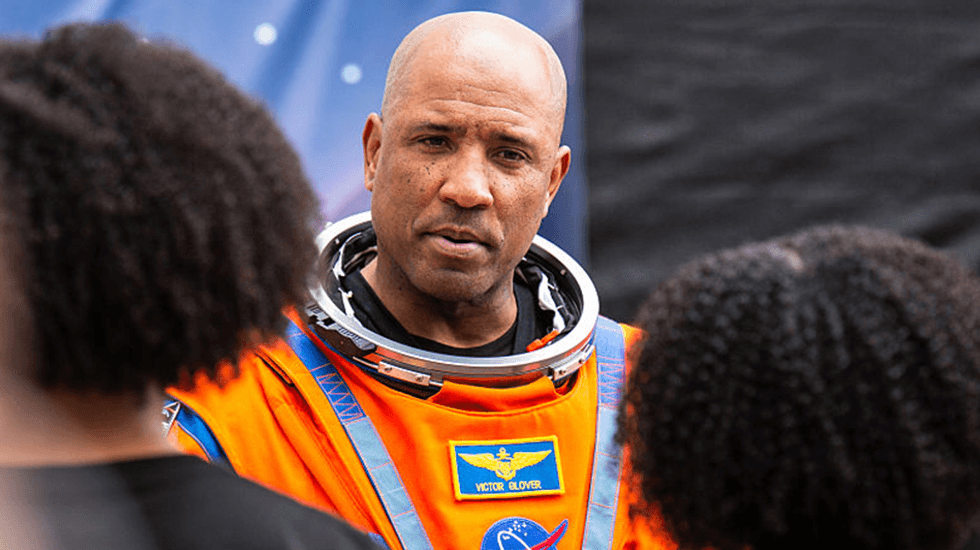
Pilot Victor Glover, who has inspired countless young people as the first Black astronaut to embark on this mission, expressed his hope that such 'firsts' would one day become so commonplace that they no longer need to be mentioned. Glover highlighted the excitement that comes from seeing diverse faces represented in space but ultimately wants to see human achievement celebrated as a whole, not through the lens of race or gender.
Mission specialist Christina Koch built on this idea, sharing that the real milestone is a world where anyone with a dream can pursue it on equal footing. For her, the true celebration is when space exploration is genuinely for everyone, reflecting the aspirations of all humanity.
Why This Perspective Matters for Tech Learners
The Artemis II crew’s approach offers a powerful lesson for everyone in the tech world. While diversity and representation are crucial, focusing on breaking barriers should not overshadow collective progress or the pursuit of excellence. In technology, it’s easy to get caught up in being the 'first' or the 'only,' but the bigger picture is about contributing to human advancement as a whole.
This mindset encourages tech learners to see themselves as part of a larger movement—one driven by curiosity, collaboration, and innovation. It also underlines the idea that true progress happens when opportunities are accessible to all, and when achievements are viewed as steps forward for everyone, not just for a particular group.
How to Apply NASA’s Mindset to Your Tech Journey
1. Celebrate Human Progress, Not Just Individual Milestones
It’s important to recognize and applaud trailblazers, but don’t let the focus on being 'the first' eclipse the importance of contributing to collective goals. In your tech journey, aim to be part of the solution and help pave the way for others, regardless of where you come from.
2. Work for Opportunity—For All
The Artemis II crew’s emphasis on equal opportunity reflects a tech industry ideal: that anyone, regardless of background, should have the chance to pursue their passion and succeed. Join communities, support open-source projects, and mentor others to help open doors for everyone.
3. Keep the Big Picture in Mind
Whether you’re coding your first app or building a new device, remember that your work contributes to a larger tapestry of human achievement. Strive to make an impact not just for yourself, but for users and learners everywhere.
What This Means for Beginners
If you’re just starting out in technology, the Artemis II astronauts’ responses offer encouragement. You don’t need to fit a certain mold or aim to be a 'first' in order to make a difference. What matters is your curiosity, your effort, and your willingness to contribute. The tech world is vast, and there’s room for everyone to grow, learn, and help shape the future.
Don’t be discouraged by barriers or labels. Instead, focus on what you can learn, how you can help others, and how your journey adds to the ongoing story of human innovation.
3 Practical Takeaways for Tech Learners
- Value Diversity, But Focus on Inclusion: Celebrate representation while working toward a future where everyone’s contributions are valued equally.
- See Yourself as Part of Something Bigger: Your individual achievements are important, but your impact grows when you help move technology—and humanity—forward as a whole.
- Keep Learning and Lifting Others: Invest in your own growth and look for ways to help others along the way, creating a more inclusive and innovative tech community for all.
Want to read more?
This is a summary of the article. You can read the full story on the original publisher's website.
Read Full Article