The Expert Take: SmartTag 3’s India Delay Explained
In our experience working with hundreds of developers and product managers across Asia, delays in major hardware launches often signal much more than simple logistics. Having trained engineers at IoT startups and global device makers, we know that when a product like the Samsung Galaxy SmartTag 3 is held back for years in a key market like India, there are deep technical and strategic implications. Let’s break down what this means for technologists, from firmware engineers to app developers—and why your career should pay attention.
What Happened & Why It Matters
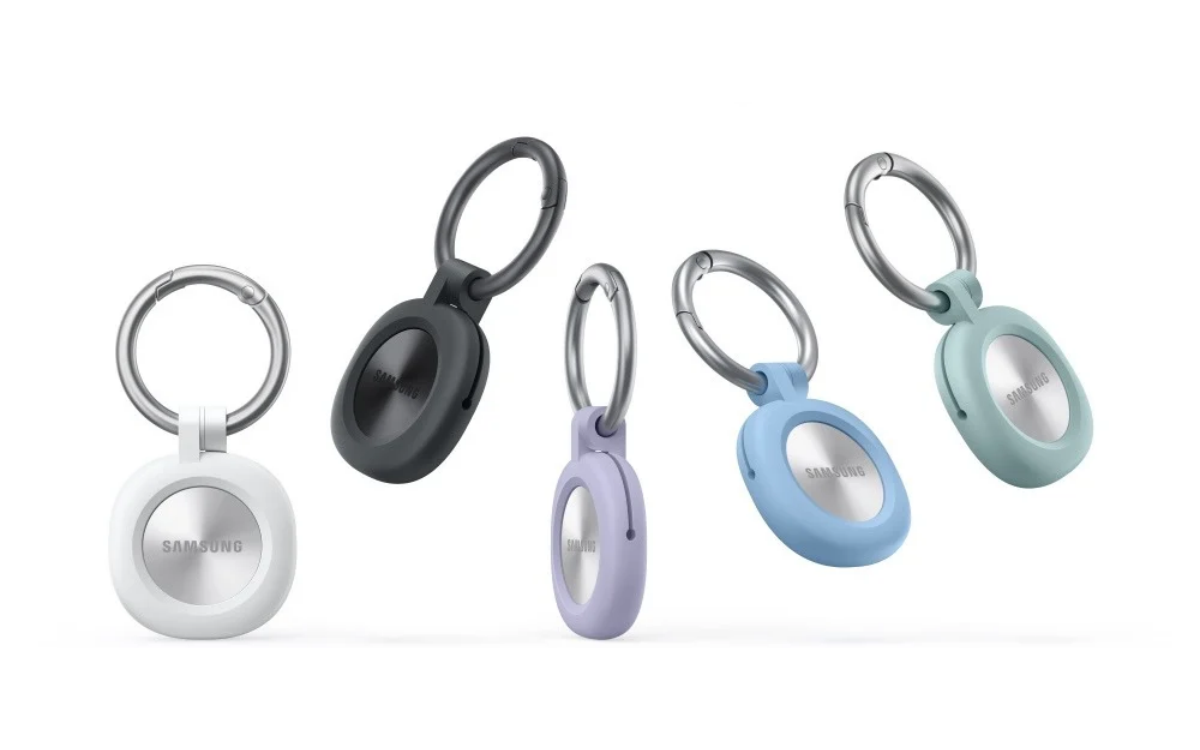
Samsung recently announced the Galaxy SmartTag 3, the latest iteration in its line of Bluetooth-powered trackers designed to help users locate lost items. While the device is rolling out in several global markets, Samsung has now confirmed—via Daill Kim, Samsung India’s Head of Tablet, Note PC, and Wearable—that the SmartTag 3 will not launch in India until 2027. This three-year delay is unusually long for a consumer tech product and raises important questions about the local market, supply chain, and ecosystem readiness.
India is one of the world’s fastest-growing markets for consumer electronics, boasting over 1.1 billion mobile connections as of 2023 (source: Statista). The absence of a flagship tracker in this region means missed opportunities for both consumers and developers. For engineers, it signals shifting priorities in device compatibility, network standards, and regulatory compliance.
The Technical Reality: What Engineers Need to Know
The Samsung Galaxy SmartTag 3 is not just another Bluetooth tracker; it’s built on the latest Bluetooth Low Energy (BLE) 5.3 standard, with enhanced support for ultra-wideband (UWB) technology. This matters because BLE 5.3 offers increased range, lower latency, and improved battery efficiency compared to BLE 4.x, while UWB enables centimeter-level location accuracy. Such capabilities are central to modern IoT ecosystems, allowing seamless integration with Samsung’s SmartThings platform and support for emerging protocols like Bluetooth Mesh.
However, India’s delayed launch signals technical and regulatory hurdles. BLE and UWB operate on radio frequencies that require local certification, and India’s Wireless Planning & Coordination Wing (WPC) historically lags behind countries like the US and EU in approving new spectrum allocations. This impacts hardware manufacturers and app developers—your code may need to detect and handle region-specific feature support, as seen with
if (Build.VERSION.SDK_INT >= Build.VERSION_CODES.R && context.packageManager.hasSystemFeature(PackageManager.FEATURE_ULTRA_WIDEBAND))From an architectural standpoint, the SmartTag 3’s dependence on Samsung’s own Find Network (a peer-to-peer item-finding mesh) also brings up important design questions. Unlike Apple’s Find My ecosystem, Samsung’s network is less mature in India due to limited device penetration and ecosystem partners. For backend engineers, this means APIs for device location and telemetry might not be as reliable or available in the region, affecting applications that depend on real-time asset tracking or geofencing.
Compare this to alternatives: Apple’s AirTag uses the massive iPhone install base to crowdsource location data, while Tile leverages both BLE and its own network of apps. If you’re building for India, you’ll need to consider fallback mechanisms, such as SMS-based alerts or integration with more widely supported standards like LoRaWAN, especially in logistics or enterprise scenarios.
In summary, the SmartTag 3’s India delay isn’t just a commercial hiccup—it’s a case study in how regional standards, ecosystem maturity, and hardware-software interplay shape what developers can deliver. If you’re designing IoT solutions or consumer apps, you must build with adaptive feature flags, robust error handling, and region-aware user experiences. For deeper technical insights, see the Android Bluetooth developer guide and Samsung’s SmartTag SDK documentation.
Why This Directly Impacts Your Tech Career
As career mentors, we urge you not to overlook the ripple effects of such a high-profile hardware delay. For software engineers and IoT specialists, the Indian market’s pause on SmartTag 3 means continued demand for cross-platform compatibility and backward support for older BLE versions. In the next 12-24 months, companies will prioritize talent who can adapt device features dynamically based on region and network maturity—a critical skill in product companies and consultancies with global reach.
Embedded systems engineers and firmware developers will need to stay updated on India’s wireless certification landscape, as similar delays could affect other BLE/UWB devices. DevOps professionals should be prepared to manage regional feature toggles and monitor telemetry for device fleets distributed across varying network conditions.
The sectors most affected include logistics (where asset tracking is vital), consumer electronics (where time-to-market is everything), and healthtech (where device location and patient safety often intersect). Companies operating in or expanding to India will seek engineers versed in internationalization, device compliance, and mesh networking. According to Glassdoor India, IoT engineers can expect salaries ranging from INR 8L to 25L, with significant premiums for those with multi-region expertise and regulatory navigation skills.
In short, the SmartTag 3’s absence creates a gap in the market—one that skilled engineers and product managers can fill by building interoperable, region-specific solutions. Sharpening your skills in mesh networking, regulatory strategy, and cross-platform mobile development will make you highly marketable in the coming years.
Skills You Should Build Right Now
- Bluetooth Low Energy (BLE) 5.x Development – The SmartTag 3’s advanced BLE features mean BLE 5.x will become the default for new IoT devices. Start with hands-on labs from Bluetooth SIG and build sample Android/iOS BLE apps.
- Ultra-wideband (UWB) Protocols – UWB is increasingly used for precise location tracking. Experiment with UWB SDKs on Samsung and Apple devices, and follow IEEE 802.15.4z tutorials.
- Device Compliance & Certification (WPC, FCC, CE) – Regulatory navigation is crucial for product launches. Study the WPC certification process and practice preparing technical documentation for wireless devices.
- Mesh Networking Fundamentals – Understanding mesh networks enables scalable IoT deployments. Complete the Bluetooth Mesh developer course and deploy a small mesh network using Nordic Semiconductor kits.
- Cross-Platform Mobile Development – Feature adaptation for different regions is a must. Build a demo app in Flutter or React Native that detects hardware capabilities and adjusts features accordingly.
- Internationalization (i18n) & Localization (l10n) – Prepare your code for multi-region launches. Follow Google’s Android/iOS localization guides and implement region-based feature toggles.
Interview Preparation: Questions to Expect
- Conceptual: “Explain how Bluetooth Low Energy (BLE) 5.3 differs from previous versions and why it matters for IoT trackers.”
Focus on range, energy efficiency, and new features like isochronous channels and periodic advertising. - Architectural: “How would you design an asset-tracking app for a market where UWB is not yet certified?”
Discuss fallbacks to BLE-only, SMS, or GPS, and how you’d detect and gracefully degrade features. - Behavioral: “Tell us about a time you adapted a product for a region with delayed hardware or network support.”
Highlight collaboration with product teams, technical pivots, and user communication strategies. - Regulatory: “What steps are involved in certifying a wireless IoT device for the Indian market?”
Cite WPC application, lab testing, and regulatory documentation, referencing real-world timelines and challenges.
Support Me Techs Perspective
From our team’s hands-on experience guiding students and working professionals, the SmartTag 3 situation perfectly illustrates why we train for adaptability, not just tool proficiency. Our alumni have successfully launched IoT solutions in markets with regulatory barriers, because they learned to build for the unexpected—whether that’s delayed hardware or shifting standards. At Support Me Techs, we emphasize real-world labs, cross-border product thinking, and a “plan for change” mindset, which sets our learners apart in interviews and on the job. Don’t just follow device launches—understand the systems, networks, and business realities underneath.
3 Things You Can Do This Week
- Build a Bluetooth LE demo app that checks device feature support and adapts its UI accordingly (e.g., disable UWB features if not available).
- Read India’s WPC wireless certification guidelines and summarize the key steps needed for BLE/UWB device approval.
- Join a public IoT developer community on GitHub or Stack Overflow and participate in a discussion about region-specific device rollouts.
Frequently Asked Questions
Why is the Samsung Galaxy SmartTag 3 not launching in India until 2027?
The delay is likely due to a mix of regulatory, technical, and ecosystem challenges. India’s wireless spectrum approvals for new protocols like UWB often lag behind other regions, and building a reliable item-finding network requires a critical mass of compatible devices. Samsung may also be strategizing for better ecosystem integration and compliance with the Indian market’s unique needs, such as security and localization requirements.
How does the SmartTag 3 compare to alternatives like Apple AirTag in India?
Apple’s AirTag benefits from the large iPhone user base in India, leveraging crowd-sourced location data via the Find My network. The SmartTag 3, on the other hand, is more dependent on Samsung’s ecosystem, which is less established locally. Additionally, AirTag’s UWB features are currently limited in India due to regulatory constraints, so both devices face similar technical barriers, but Apple’s network effect gives it a slight edge for now.
What skills should Indian engineers prioritize given this delay?
Engineers should focus on Bluetooth 5.x development, mesh networking basics, and regulatory compliance for wireless devices. Cross-platform mobile development and internationalization are also highly valuable, as most global companies want solutions that work regardless of market-specific delays. Building real-world demos and participating in open-source IoT projects can also demonstrate your adaptability and technical depth to employers.
Want to read more?
This is a summary of the article. You can read the full story on the original publisher's website.
Read Full Article