Bonner's New Data Center: Rethinking the Need for On-Site Staff
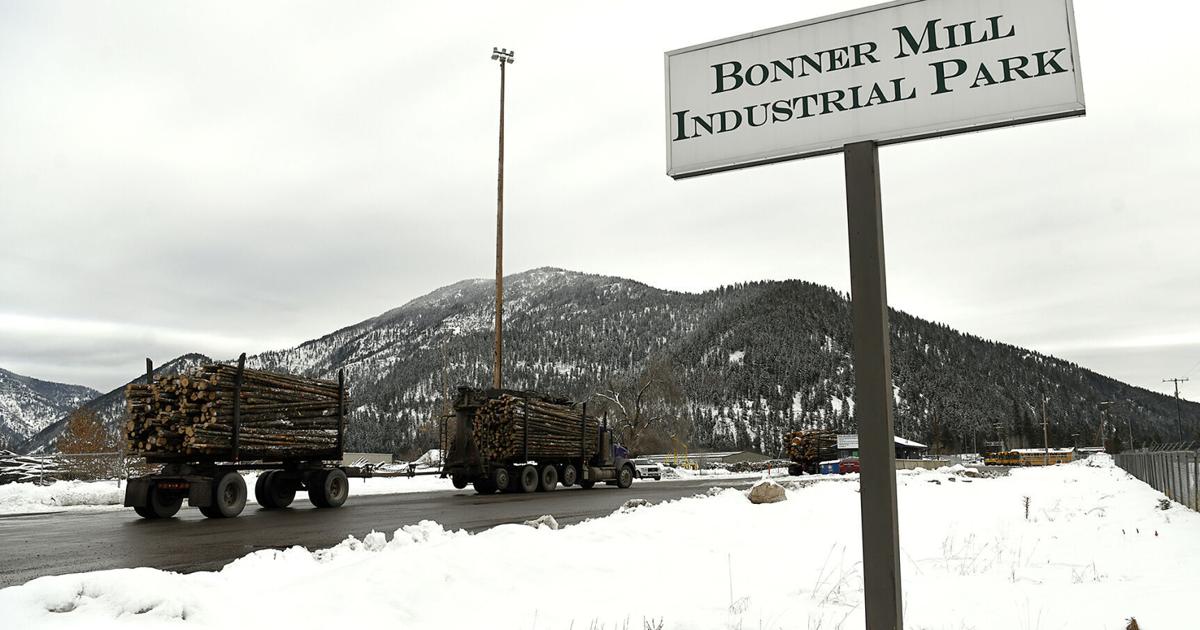
In a surprising turn for the tech industry, a recent proposal for a new data center in Bonner, Montana, suggests the facility could operate without regular on-site staff. This application, currently under review by Missoula County's planning department, challenges the traditional notion that data centers require a large, permanent workforce to keep things running smoothly.
How Modern Data Centers Are Changing
Traditionally, data centers—those sprawling buildings filled with servers and networking equipment—have relied on teams of IT professionals, engineers, and support staff. However, with advancements in automation, remote monitoring, and AI-driven management, the landscape is shifting. The Bonner data center proposal is just one example of this broader trend toward minimal on-site staffing, which could have ripple effects throughout the tech sector.
What Drives the Move to Unstaffed Data Centers?
- Automation: Modern software can manage routine tasks like system updates, backups, and even some troubleshooting without human intervention.
- Remote Monitoring: Technicians can now oversee operations from anywhere, using secure connections and sophisticated dashboards to track performance and flag problems.
- Cost Efficiency: Reducing on-site staff cuts operational expenses, allowing companies to allocate resources elsewhere.
- Security and Safety: Fewer people on-site can mean fewer security vulnerabilities and less risk of human error.
What This Means for Beginners in Tech
If you're just starting your tech career, the shift toward minimally staffed data centers might sound discouraging. However, it's actually a signal that the industry is evolving—and with change comes opportunity. The jobs may be moving off-site, but they're not disappearing. In fact, demand for remote IT specialists, automation engineers, and cybersecurity experts is rising.
For beginners, this is a chance to focus on developing skills that are future-proof. Familiarity with remote management tools, scripting for automation, and cloud technologies will put you ahead of the curve. Plus, working remotely means you could support data center operations from anywhere in the world.
How to Learn the Skills Needed for Modern Data Centers
- Get Comfortable with Automation: Practice using tools like Ansible, Puppet, or Chef to automate server management tasks.
- Master Remote Monitoring: Explore software like Nagios, Zabbix, or Datadog to understand how remote dashboards work.
- Study Cloud Computing: With many data centers integrating cloud platforms, certifications from AWS, Microsoft Azure, or Google Cloud are highly valuable.
- Boost Your Cybersecurity Skills: Learn the basics of securing remote connections and protecting sensitive data in distributed environments.
The Future of Data Center Jobs
As more data centers adopt automation and remote management, the profile of tech jobs will keep changing. Rather than focusing on hardware maintenance or physical security, future roles will emphasize software, networking, and systems integration. Companies will need professionals who can design, deploy, and manage these sophisticated, distributed systems—often from afar.
For tech learners, this transition is a call to adapt and specialize. By building expertise in automation, remote operations, and cloud infrastructure, you'll be ready for the next generation of technology careers.
Practical Takeaways
- Embrace automation and remote management skills—these are increasingly valuable as data centers evolve.
- Look beyond traditional IT roles and pursue training in cloud computing and cybersecurity.
- Stay adaptable; the tech world moves fast, and the most successful professionals are those who keep learning and evolving with the industry.
Want to read more?
This is a summary of the article. You can read the full story on the original publisher's website.
Read Full Article